Wheel Flange Lubrication Solutions
Reduce friction, minimize wear, and extend the life of your crane and railway systems with our specialized wheel flange lubrication technologies.
Why Wheel Flange Lubrication Matters?
Wheel flange lubrication is essential for reducing friction between the wheel flange and rail gauge face. Without proper lubrication, cranes and railway systems face severe wheel and rail wear, higher rolling resistance, excessive noise, and increased power consumption. Over time, this leads to costly maintenance, shorter service life, and even safety risks.
Our crane wheel lubrication solutions—both dry-type systems with lubrication sticks and wet-type automatic flange lubricators—offer reliable, energy-saving, and eco-friendly methods to ensure smooth crane and railway operations.
Types of Wheel Flange Lubrication
Dry-Type crane wheel lubrication (Lubrication Sticks)
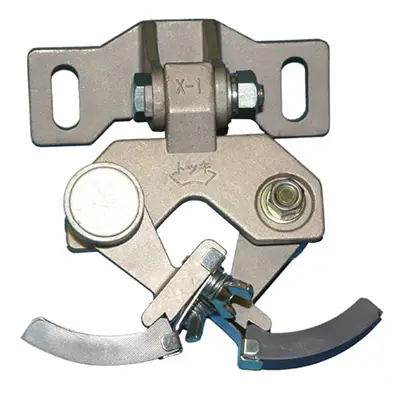
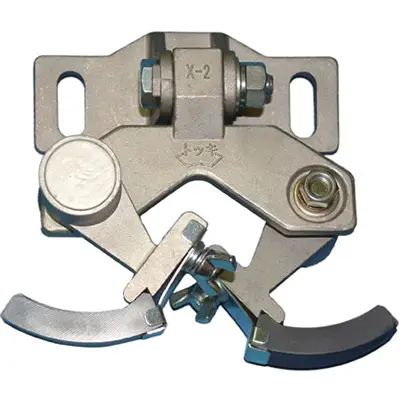
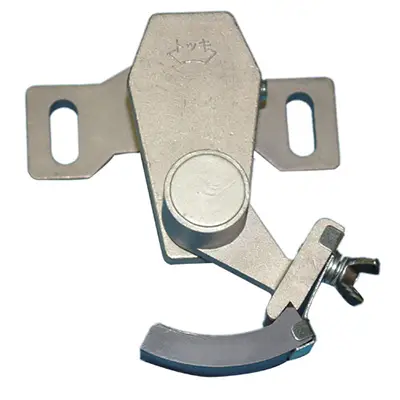
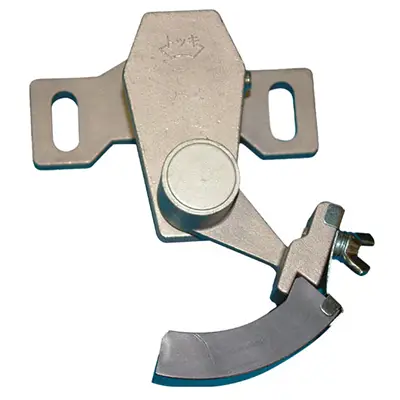
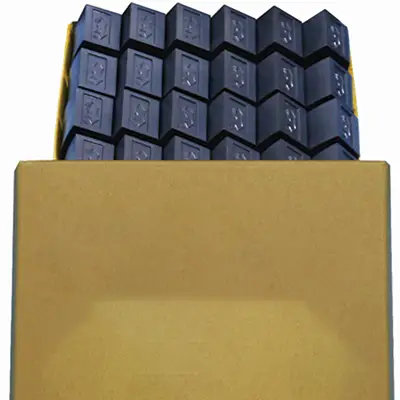
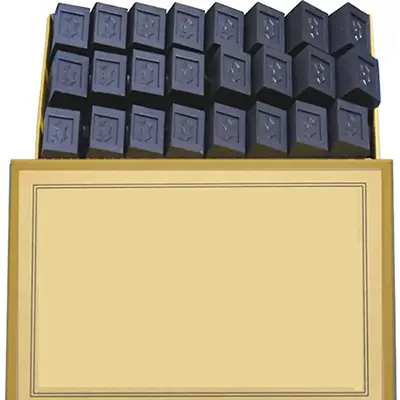
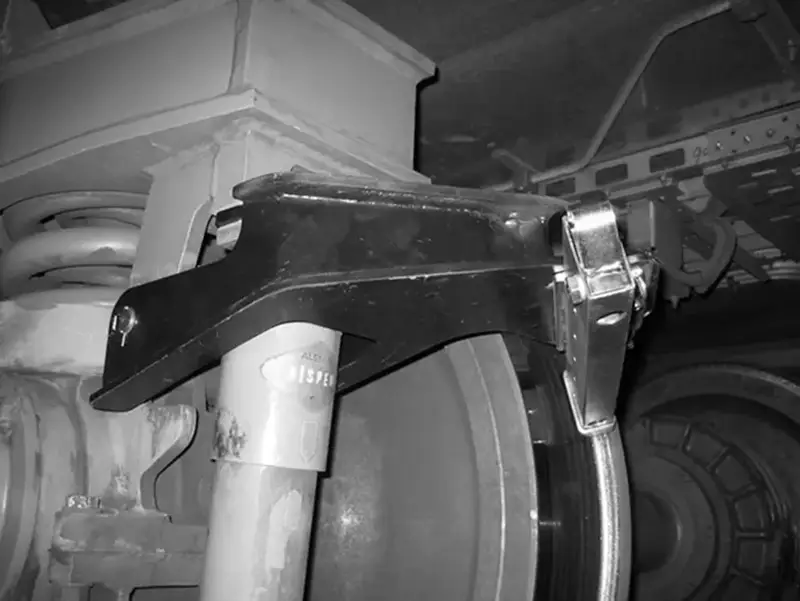
Dry-type systems use wheel flange lubrication sticks, installed on the bogie frame with a constant-pressure spring to ensure continuous contact with the wheel flange. As the train or crane operates, frictional heat melts the solid lubricant, forming a thin film on the flange surface. This film is then transferred to the rail gauge face, providing consistent lubrication without electricity or complex controls.
Key Features:
- No electrical control required
- Simple mechanical structure, safe and reliable
- Reduces flange and rail wear, extending service life
- Provides continuous lubrication even in curved track sections
- Uses resin-based solid lubrication sticks with additives for optimal performance


.webp)


Wet-Type crane wheel lubrication (Automatic System)
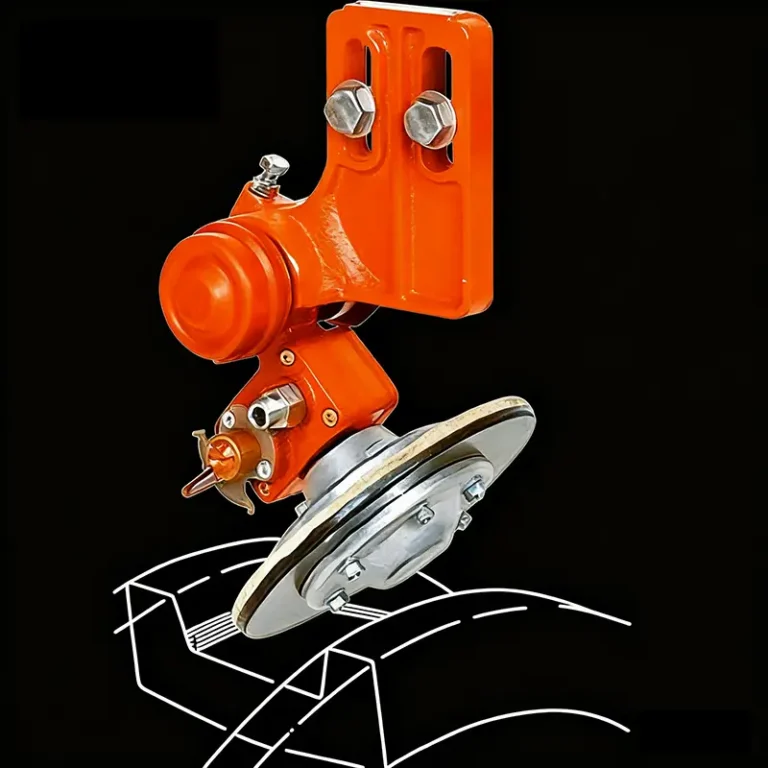
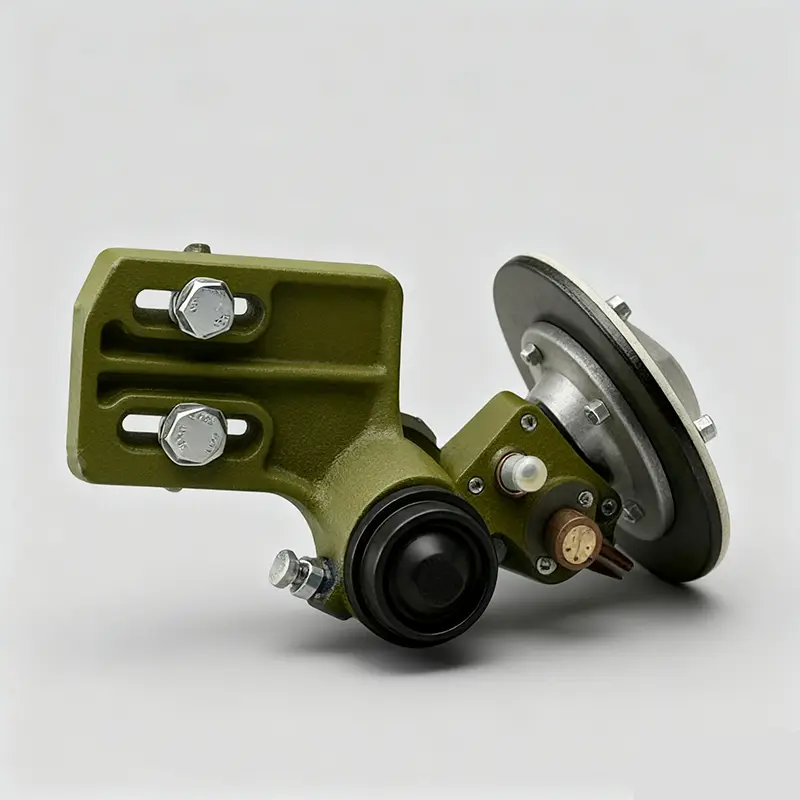
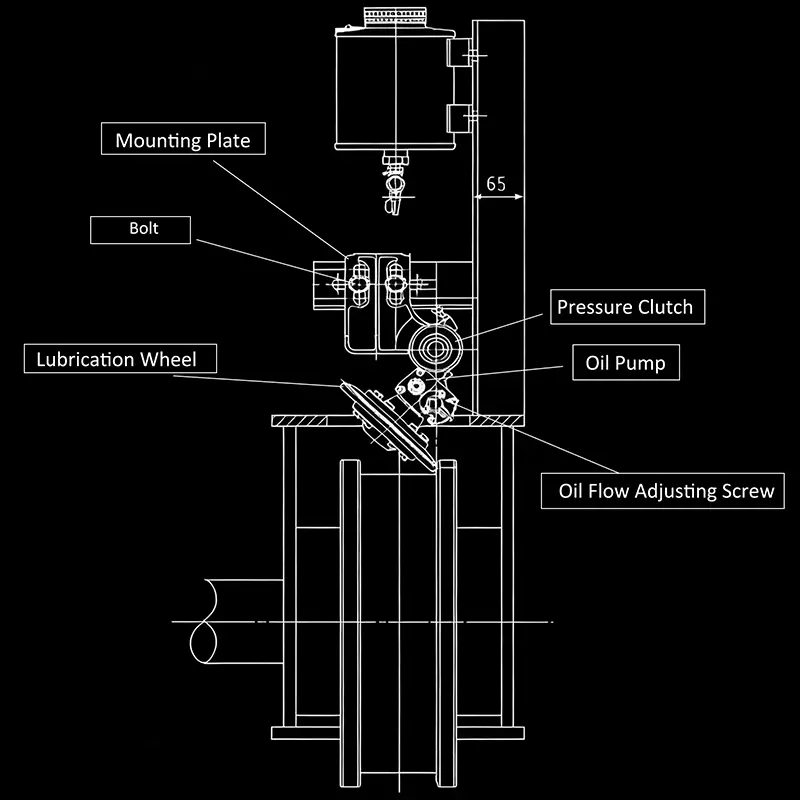
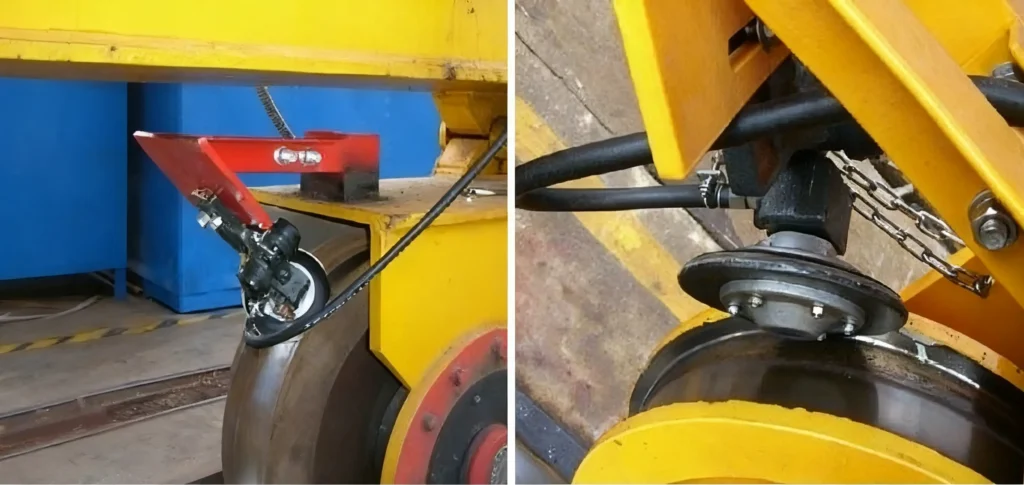
Wet-type flange lubrication systems, also known as automatic wheel flange lubrication systems, are similar to rail lubricators but designed specifically for wheel flanges. The lubricator is mounted on the crane and equipped with a small oil tank and lubrication wheel that presses against the wheel flange.
Key Features:

- Extends wheel lifespan by 3–4 times
- Reduces wheel and rail wear by 70% or more
- Low oil consumption (approx. 5L lasts 3 months)
- Reduces vibration, noise, and energy consumption
- Long service life (10–20 years depending on conditions)
- Replaces manual lubrication, saving downtime and labor
How Automatic Lubrication Works
- The lubrication wheel rotates with crane movement, driving a built-in oil pump
- Micro-quantities of oil are applied evenly to the flange side (not the tread)
- Lubrication works in both forward and reverse directions
- When the crane stops, the pump shuts off automatically to prevent leakage
Wheel Flange Lubrication Applications
Frequently Asked Questions
How long does the lubricant last?
- Solid lubrication sticks: long-lasting, depending on operating frequency
- Wet systems: approx. 5 liters of oil can last about 3 months
Will wheel flange lubrication cause wheel slip?
→ No. Lubrication is applied only to the flange side, not the wheel tread, so traction remains unaffected.
What is the difference between dry and wet flange lubrication?
→ Dry lubrication uses solid sticks for simple, maintenance-free operation. Wet systems use oil/grease pumps for precise, automatic lubrication.
How is a wheel lubrication system installed?
→ Installation is simple. The automatic flange lubricator is mounted on the crane or bogie frame, with the lubrication wheel positioned against the flange. No major modifications are required.
How often does a flange lubrication system need maintenance?
→ Wet-type flange lubricators require only occasional oil refills, while flange lubrication sticks are replaced after gradual wear. Both options minimize manual intervention.
Contact Us Today
Looking for a reliable wheel lubrication system for your cranes or railway equipment? Contact us today to request a free consultation or quotation.