
Crane Rail Systems & Track Solutions
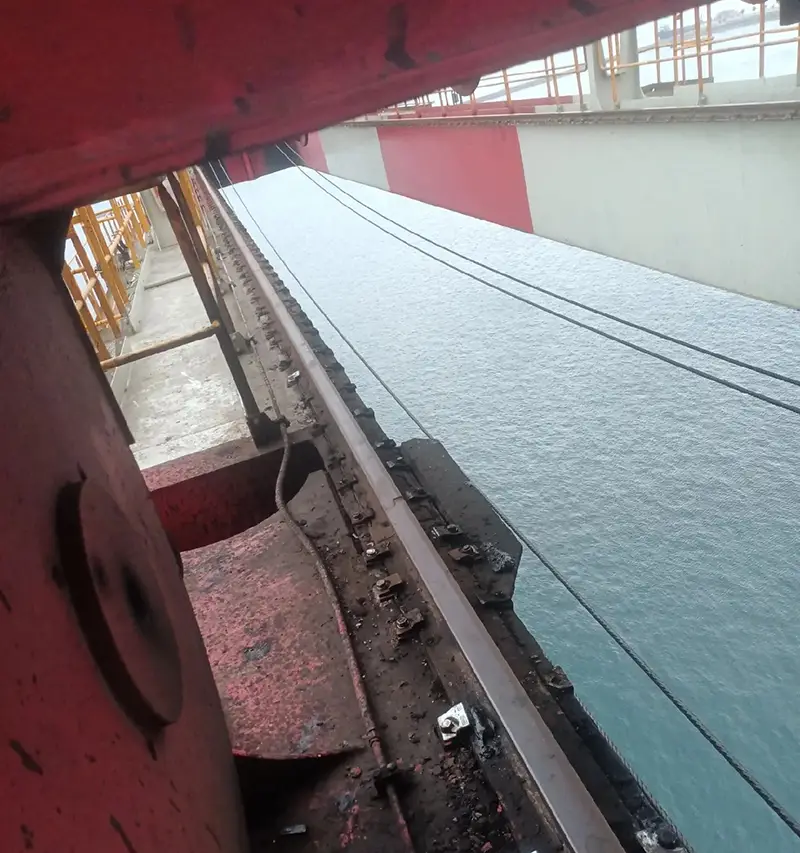
Heavy-duty crane rails engineered for overhead cranes, gantry cranes, port equipment, and industrial track systems.
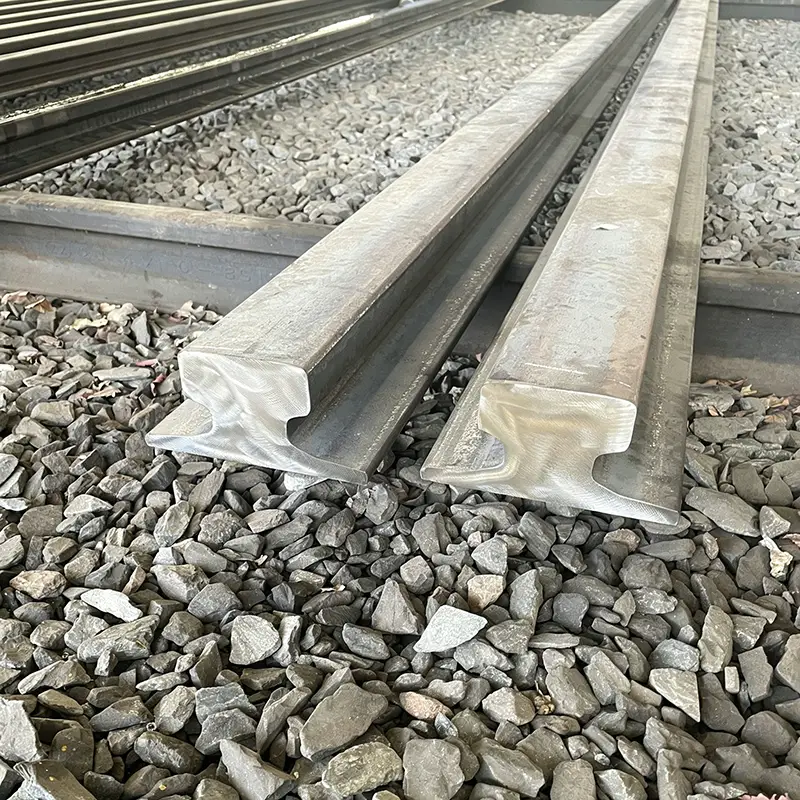
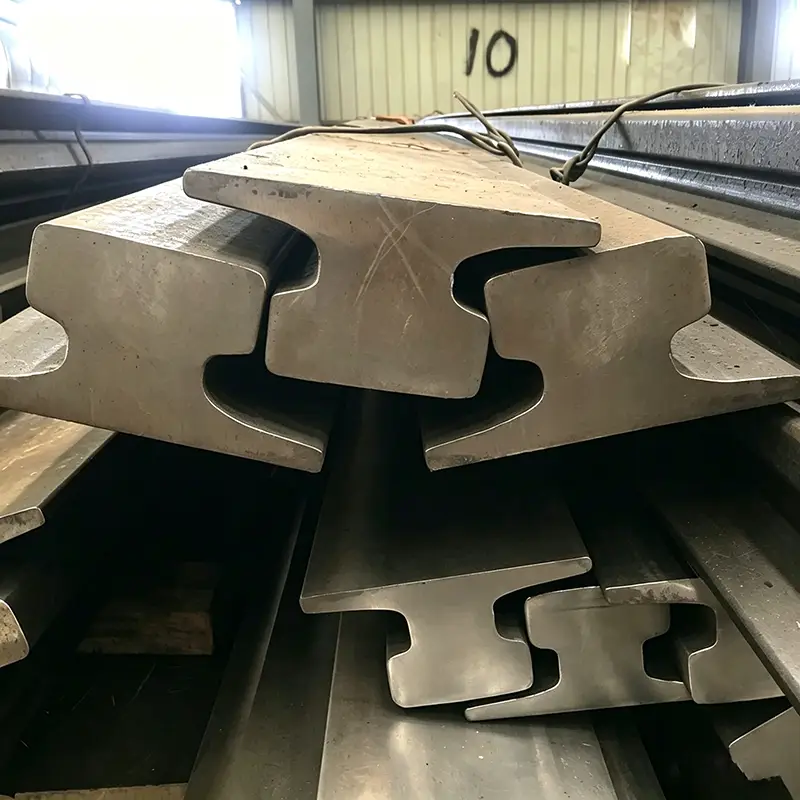
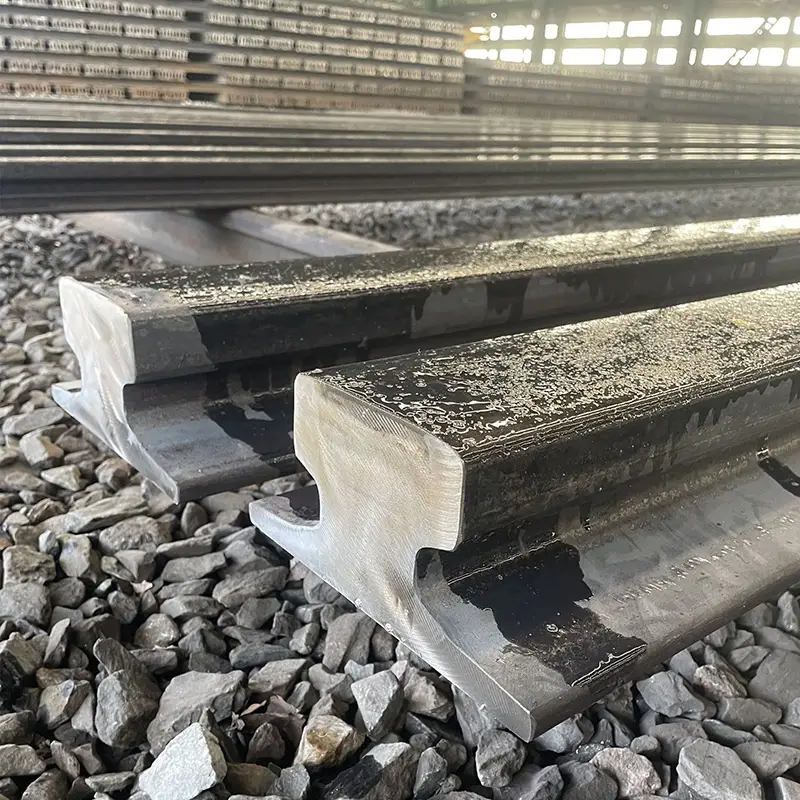
Crane rails are designed to withstand concentrated wheel loads, impact forces, and frequent start-stop operations. Compared with standard railway rails, they feature wider heads and stronger sections to ensure long-term stability, precise crane travel, and reduced maintenance requirements.
Glory Track supplies a complete range of crane rail profiles, including QU Series, CR Series, and DIN 536 crane rails, together with rail clips, rubber pads, sole plates, fishplates, and installation support. From factory workshops to container terminals, we provide complete crane rail system solutions for demanding applications.
Core Crane Rail Types & International Standards
Selecting the right crane rail profile is critical. Glory Track supplies rails manufactured to multiple global standards, ensuring compatibility with your crane type, wheel load, and operating environment.
QU Series — Chinese Standard (YB/T 5055-2025)
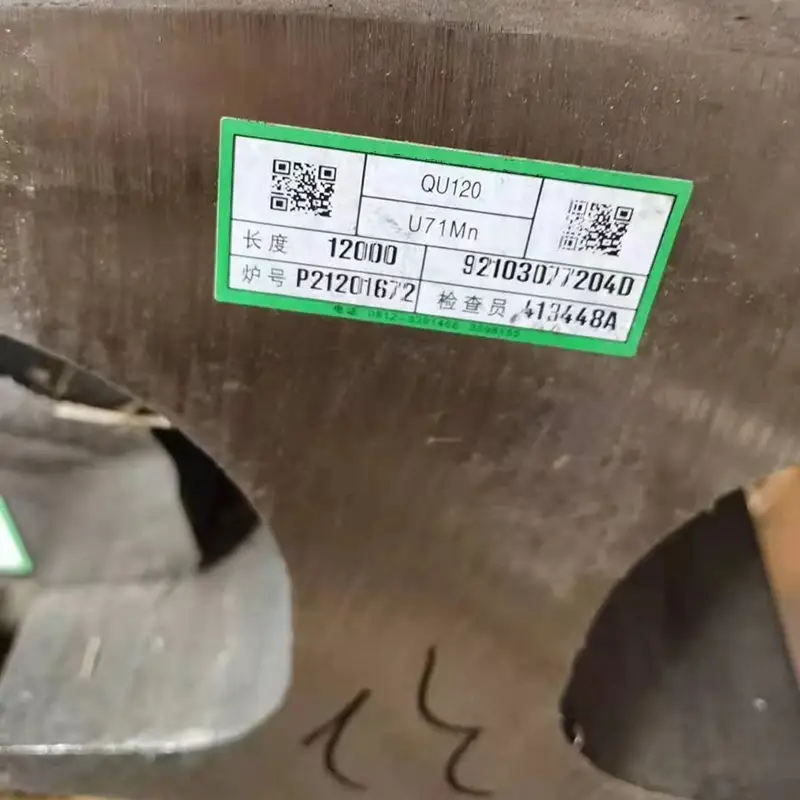
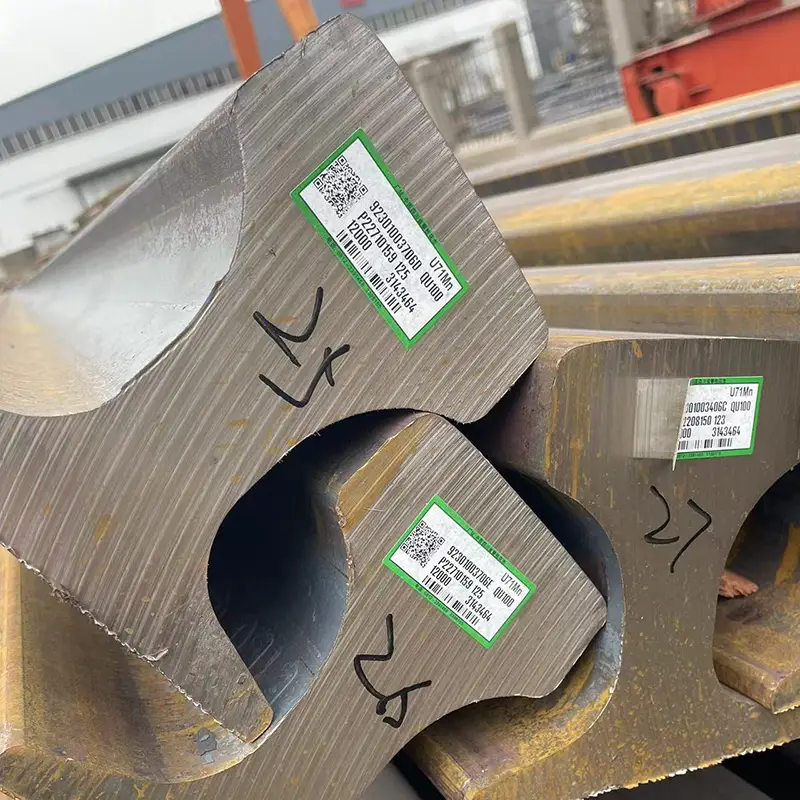
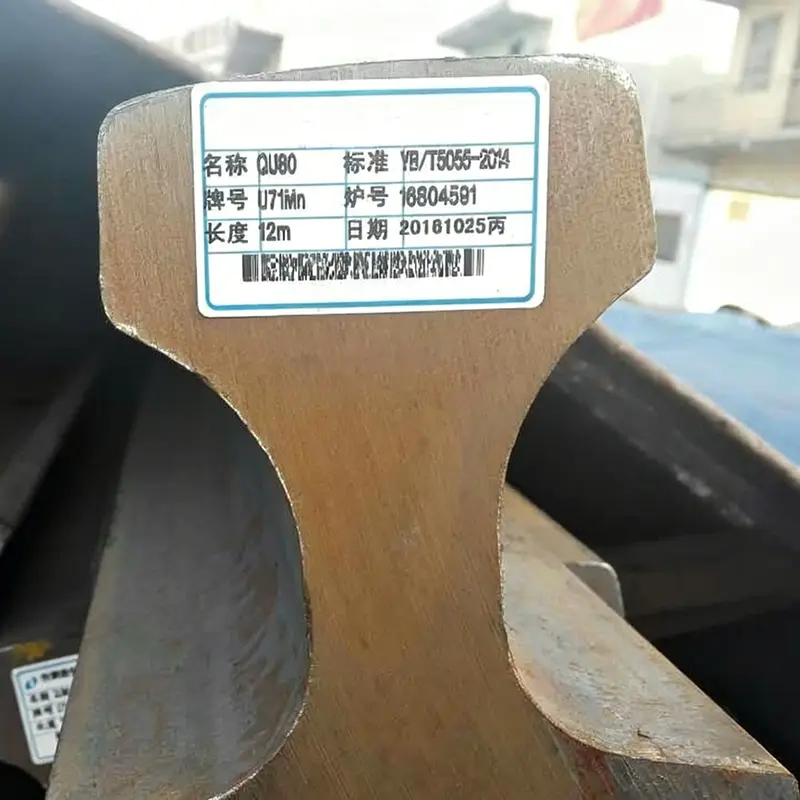
The QU series is the most widely used crane rail type in China and many Asian markets. Designed for heavy-duty applications, these rails feature a square head profile that provides excellent resistance to crushing and wear. Common grades include QU70, QU80, QU100, and QU120, with tensile strengths ranging from 690 to 1080 N/mm².
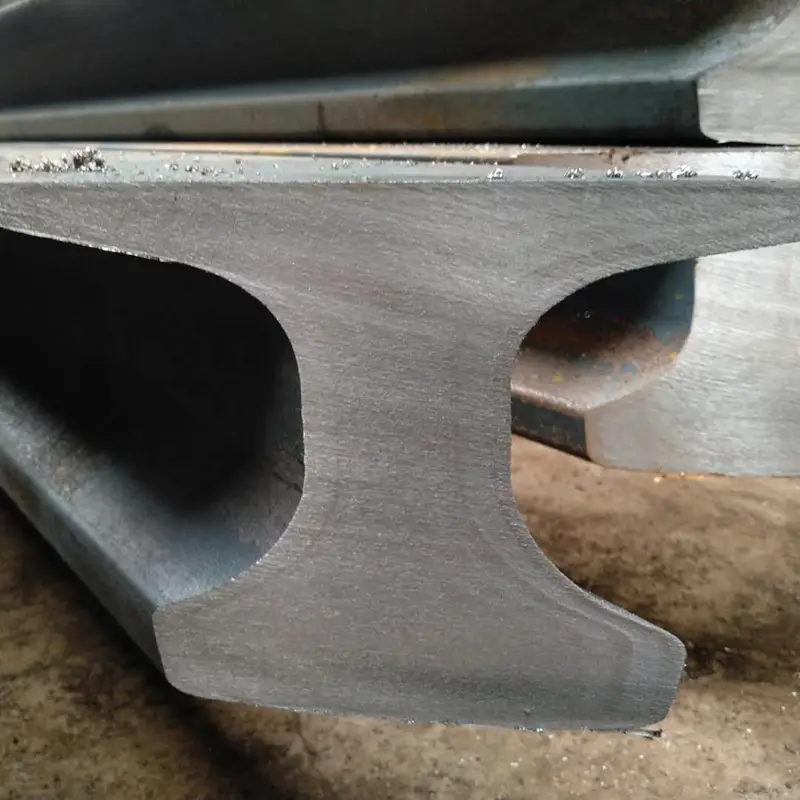
| Model | Height (mm) | Head Width (mm) | Base Width (mm) | Weight (kg/m) | Material |
|---|---|---|---|---|---|
| QU70 | 120 | 70 | 120 | 52.80 | U71Mn |
| QU80 | 130 | 80 | 130 | 63.69 | U71Mn |
| QU100 | 150 | 100 | 150 | 88.96 | U71Mn |
| QU120 | 170 | 120 | 170 | 118.10 | U71Mn |
A Series — German Standard (DIN 536)
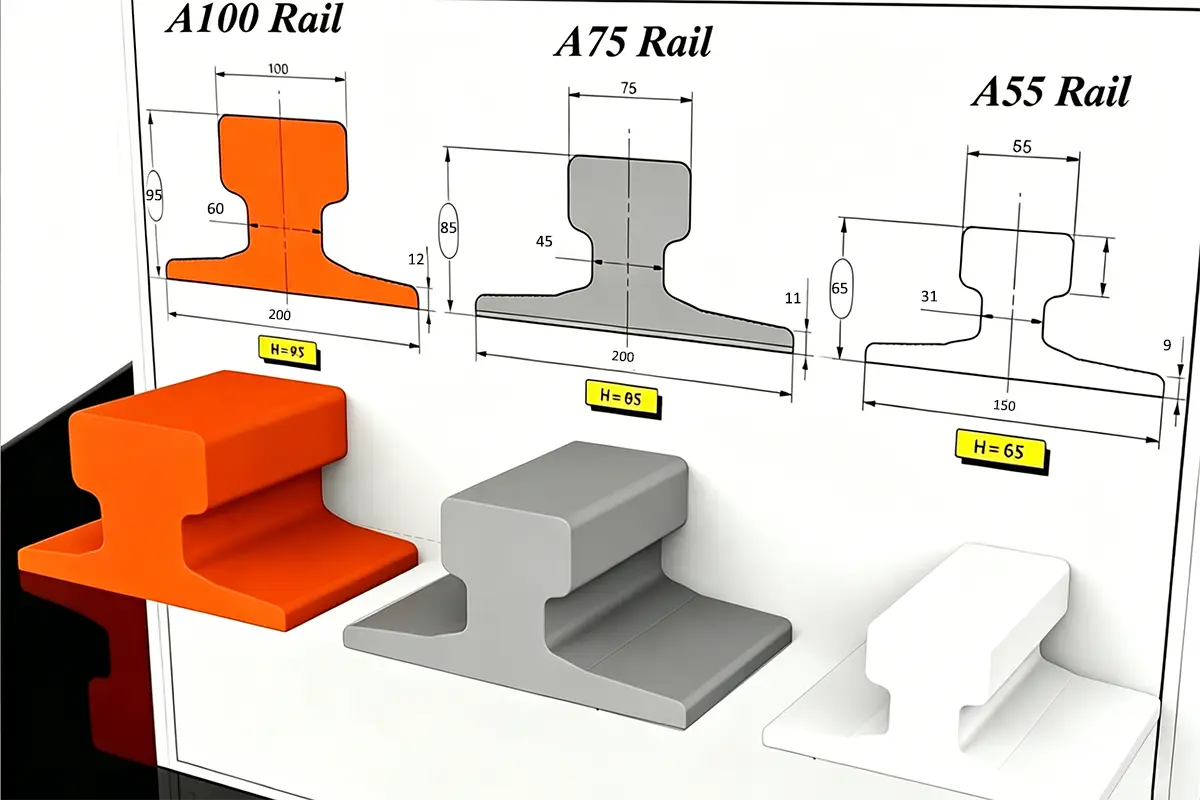
The DIN 536 standard defines the globally recognized “A” series of crane rails. The number in the designation (e.g., A65, A100, A120) refers to the approximate head width in millimeters. These rails are available in two strength grades: 690 N/mm² and 880 N/mm² minimum tensile strength.
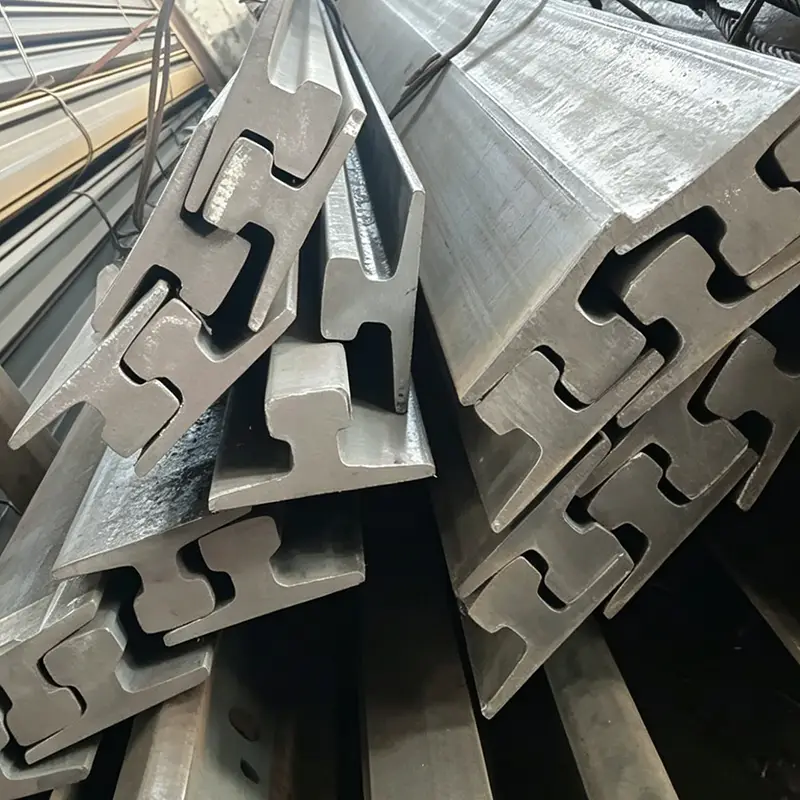
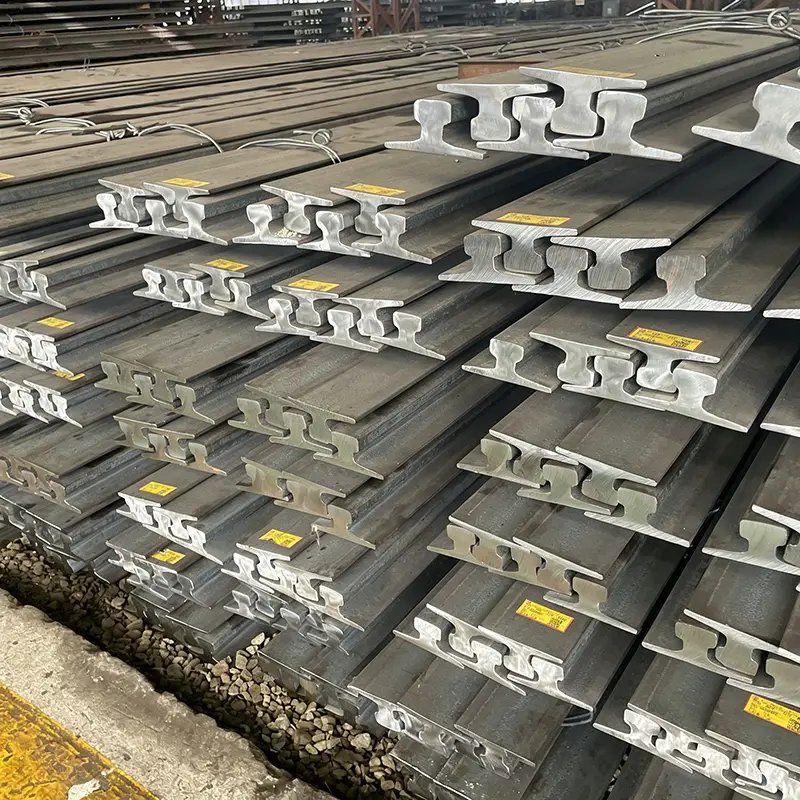
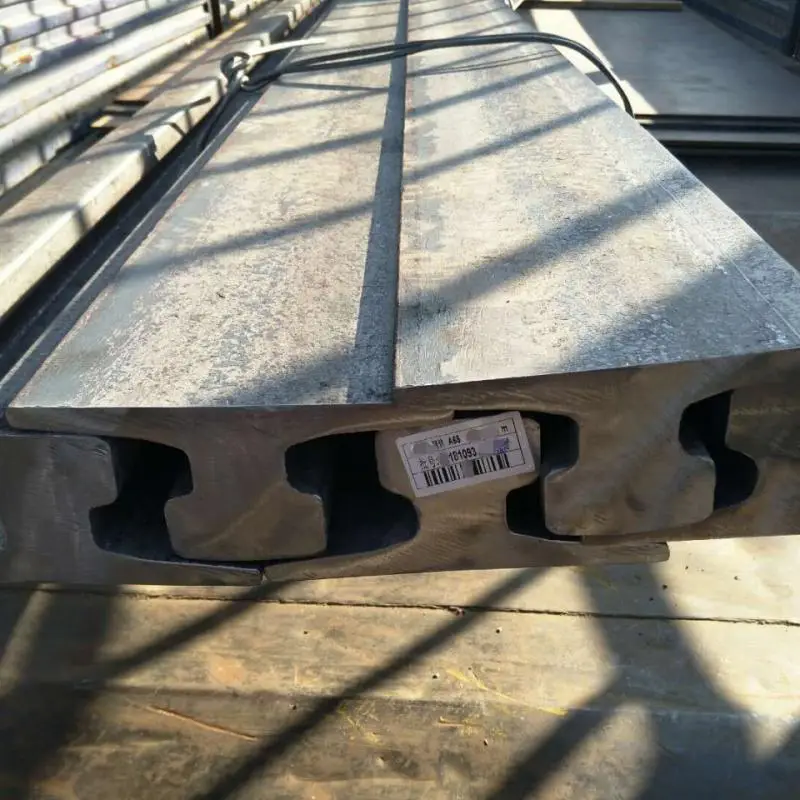
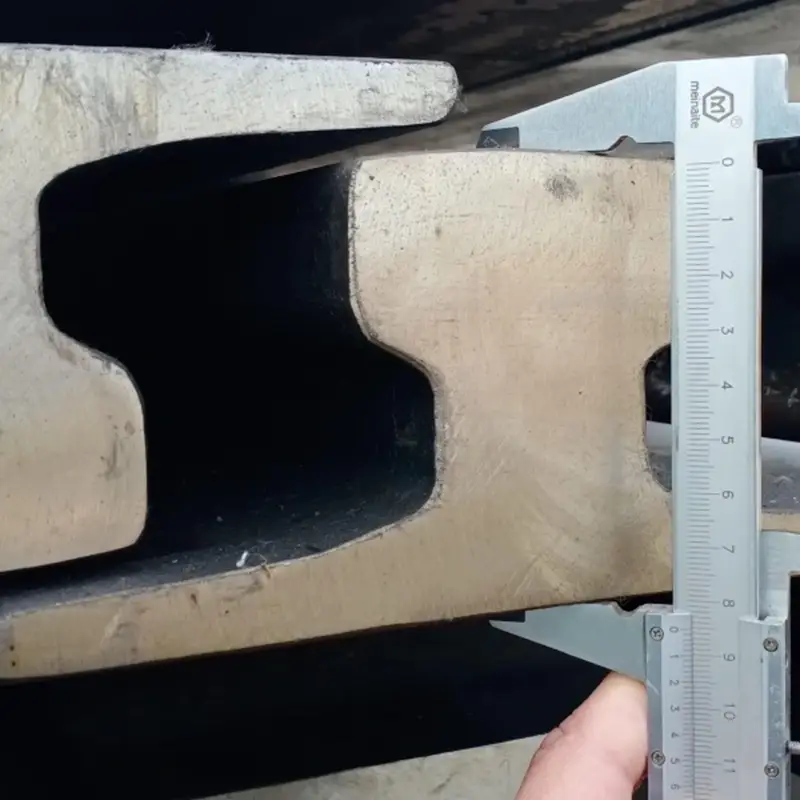
| Model | Height (mm) | Head Width (mm) | Base Width (mm) | Weight (kg/m) | Common Lengths |
|---|---|---|---|---|---|
| A45 | 55 | 45 | 125 | 22.10 | 6 / 12 m |
| A55 | 65 | 55 | 150 | 31.80 | 6 / 12 m |
| A65 | 75 | 65 | 175 | 43.10 | 6 / 12 m |
| A75 | 85 | 75 | 200 | 56.90 | 6 / 12 m |
| A100 | 95 | 100 | 200 | 74.30 | 6 / 12 m |
| A120 | 105 | 120 | 220 | 100.00 | 6 / 12 m |
| A150 | 150 | 150 | 220 | 150.30 | 6 / 12 m |
CR Series — JIS Standard
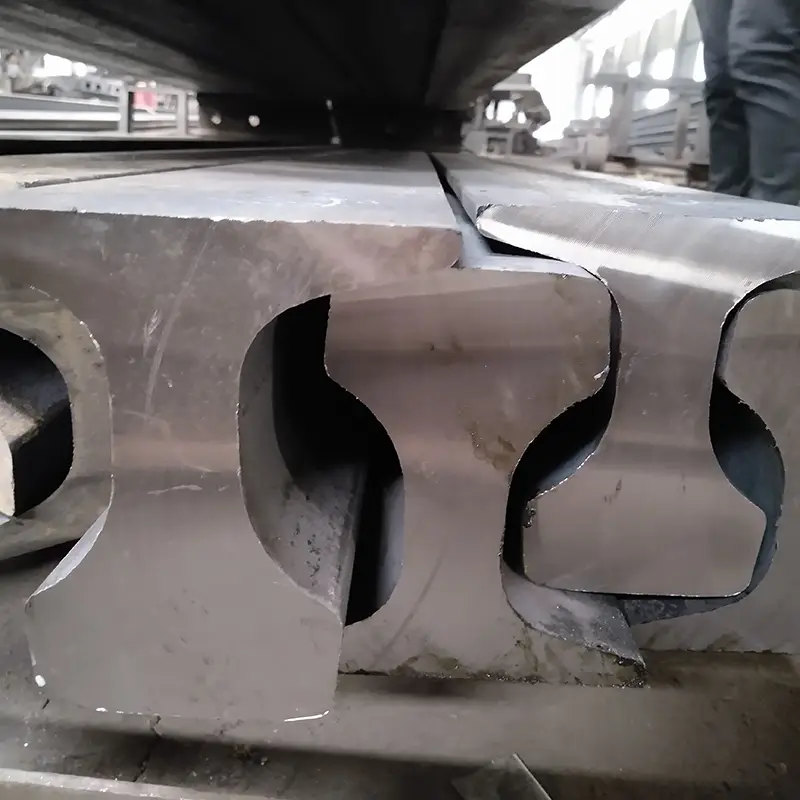
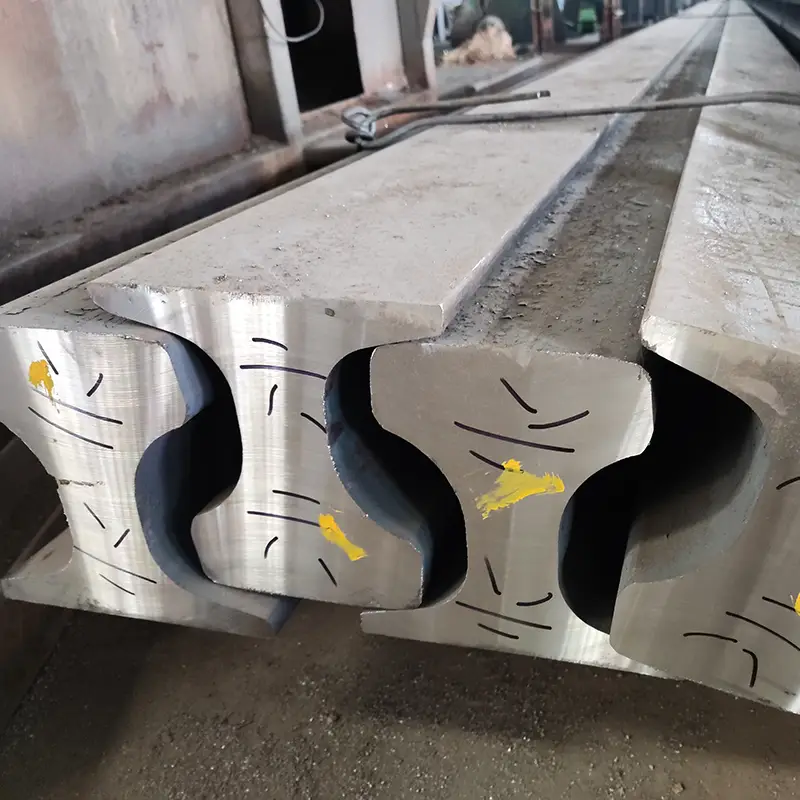
Japanese standard with lower and wider-base cross-section. Suitable for medium to heavy-duty cranes in factory and logistics settings.
Material: U71Mn · Length: 12m
| Size | Rail Height (mm) | Bottom Width (mm) | Head Width (mm) | Web Thickness (mm) | Steel Grade | Weight (kg/m) |
|---|---|---|---|---|---|---|
| CR73 | 135.00 | 140.00 | 100.00 | 32.00 | U71Mn | 73.30 |
| CR100 | 150.00 | 155.00 | 120.00 | 39.00 | U71Mn | 100.20 |
Other International Standards
Beyond QU and A series, Glory Track supplies crane rails to a wide range of international specifications:
- UIC Series (UIC50, UIC54, UIC60) — widely used in European and international rail systems
- ASCE Series (ASCE25, ASCE40, ASCE60, ASCE75, ASCE85, ASCE90, ASCE115, ASCE136) — North American standard
- BS Series (BS50’O’, BS60A, BS75A, BS80A, BS100A, BS113A) — British standard
- JIS Series (15kg, 22kg, 30A, 37A, 50N, CR73, CR100) — Japanese standard
- AS Series (31kg – 89kg) — Australian standard
Flat Bar & Square Bar Crane Rails
For light-duty applications and European-style overhead cranes, flat bar and square bar rails offer a cost-effective alternative. Manufactured to GB/T 908-2019, these profiles are commonly used as trolley running tracks for small-tonnage bridge cranes and gantry cranes.
Flat Bar Rails
Sizes: 40×30mm to 100×60mm. Common materials: Q235, Q345B, S355JR.
Square Bar Rails
Sizes: 30×30mm to 100×100mm. Ideal for light-duty crane tracks up to 15 tons.
How to Choose the Right Crane Rail
Selecting the correct crane rail profile is a critical engineering decision that affects safety, longevity, and total cost of ownership. Key factors to consider include:
- Wheel Load & Crane Capacity: Calculate the maximum wheel-rail pressure based on lifting capacity, number of wheels, static/dynamic loads, and duty cycle. Higher wheel loads require larger rail cross-sections.
- Duty Cycle & Operating Frequency: High-frequency applications (e.g., container ports, steel mills) demand higher-strength grades with tensile strengths of 880 MPa or more.
- Environmental Conditions: Coastal or high-humidity environments require corrosion-resistant treatments such as hot-dip galvanizing or special coatings.
- Support Structure: Concrete beams, steel structures, or ground-mounted systems each have different requirements for rail base width, pad thickness, and anchorage.
- Standard Compliance: Match the rail standard to your regional requirements (DIN, GB, UIC, AREMA, etc.).
For heavy-duty port gantry cranes or metallurgical plants, QU100 or QU120 rails are typically specified. For medium-duty warehouse cranes, QU70 or QU80 often provide the optimal balance of strength and economy.
Crane Rail System Components
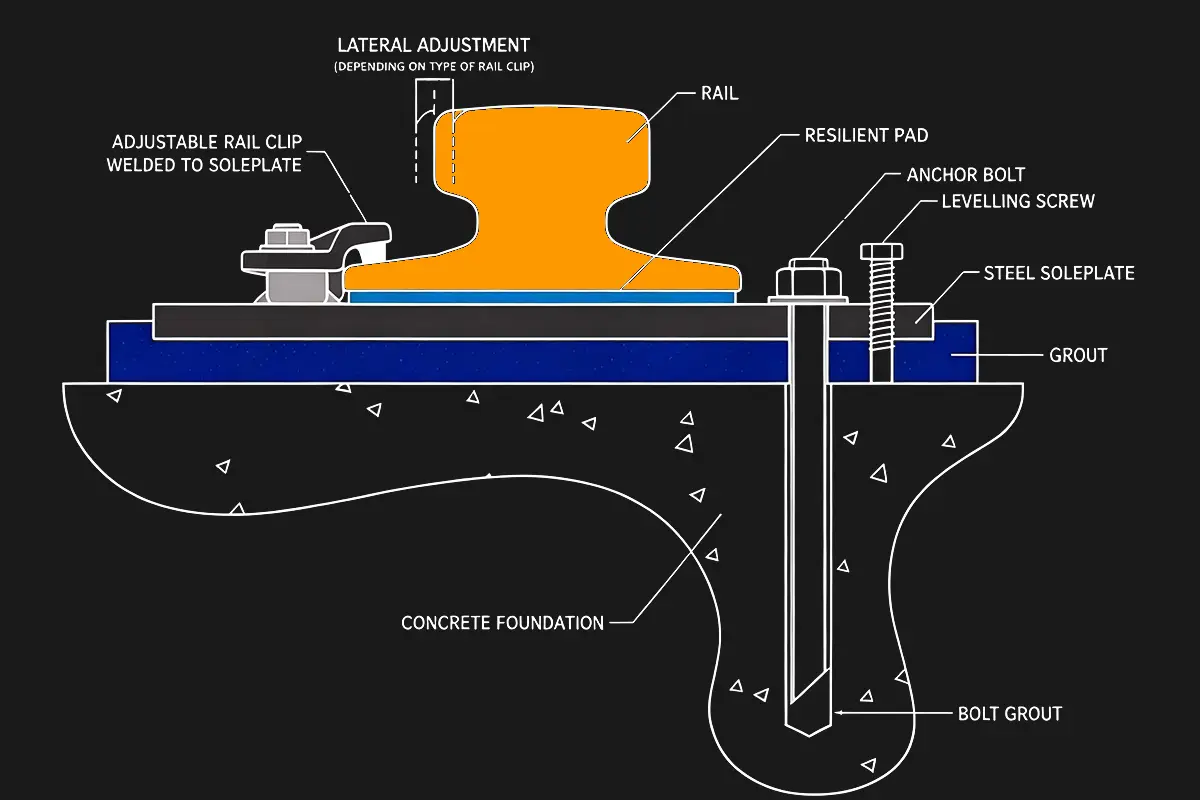
A complete crane rail system includes more than just the rail itself. GloryTrack supplies all matching components for a reliable, long-lasting installation.
- Rail Clips — Bolted or welded types to secure rails to baseplates
- Rail Pads — Rubber, EVA, or plastic pads to absorb vibration and reduce noise
- Fish Plates — Joint bars for connecting rail ends, insulated or non-insulated
- Base Plates — Steel sole plates for stable rail support and alignment
- Fasteners — Bolts, washers, anchors, and spike systems
- Grout — Fills gaps beneath bearing plates for full contact support
Need a Crane Rail System Solution?
From rail selection and custom cutting to complete system design and supply — Glory Track delivers end-to-end crane rail solutions for any industry. Contact our technical team for a free consultation.