
Project Overview
The Sri Lanka Port Authority (SLPA) is the country’s leading port operator, managing several major terminals that serve as important maritime gateways in South Asia.
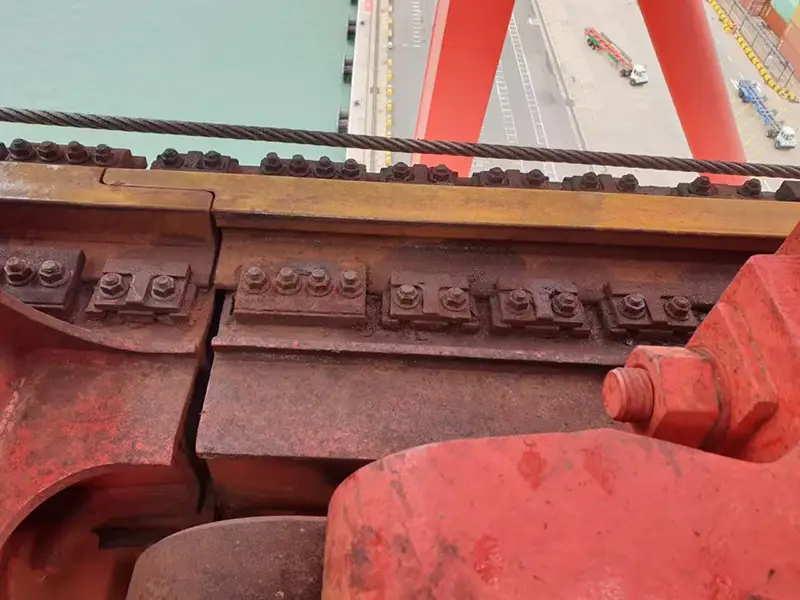
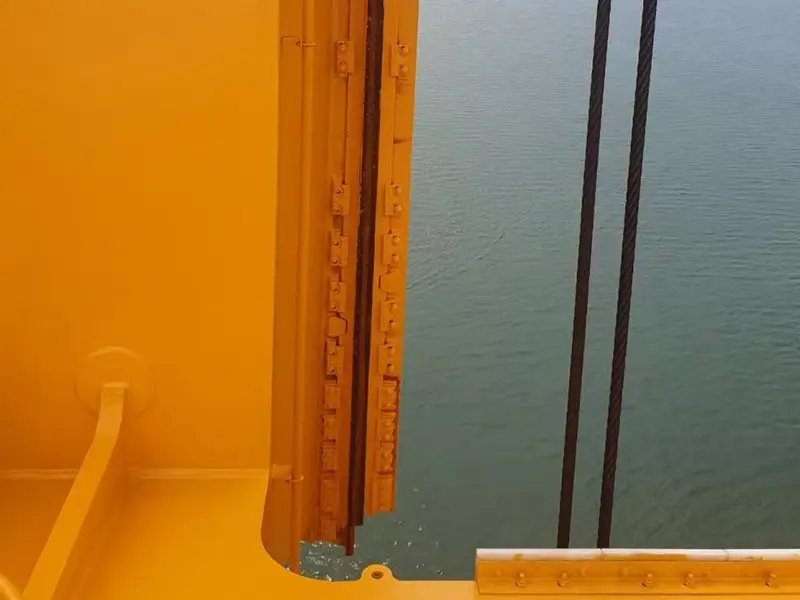
This project supported the upgrade of port crane infrastructure at an SLPA terminal. The client required a batch of customized A65 Port Crane Rails for the traveling systems of quayside container cranes and gantry cranes. Given the tropical coastal environment, the rails were required to meet strict corrosion protection specifications while remaining suitable for on-site welding and installation.
Order Details
The order included the following rail products:
- A65 Long Rails: 28 pieces × 12 meters
- A65 Short Rails: 8 pieces × 1.5 meters (2 complete sets)
The long rails were used as the primary crane runway rails, while the short rails were designed for connection sections and special track locations.
All rails were shipped from Tianjin Port in August 2024, with Colombo Port, Sri Lanka, as the final destination.
Coating and Corrosion Protection Requirements
To withstand the high-humidity and salt-laden port environment, the client specified a multi-layer protective coating system:
Surface Preparation
- Sand/Grit Blasting to Sa2.5
Coating System
- First Coat: Two-pack epoxy zinc primer, 100 μm
- Second Coat: Two-pack epoxy zinc primer, 100 μm
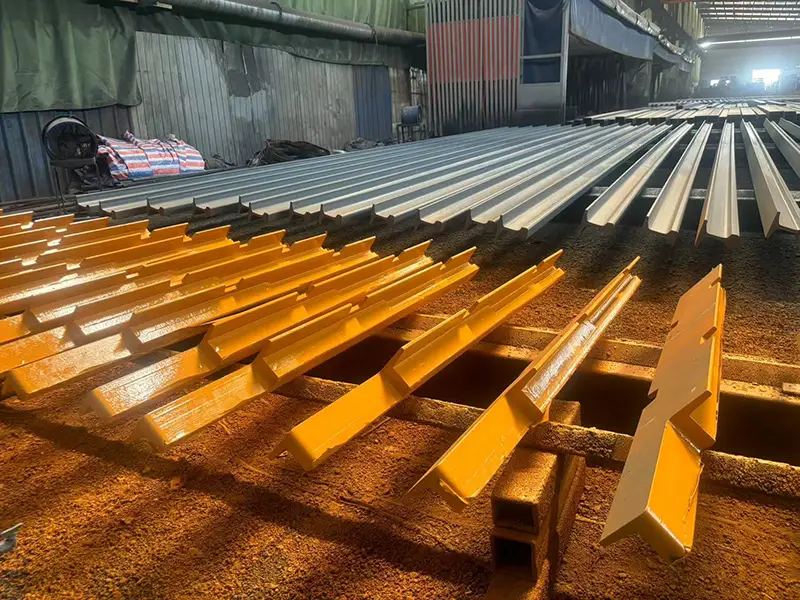
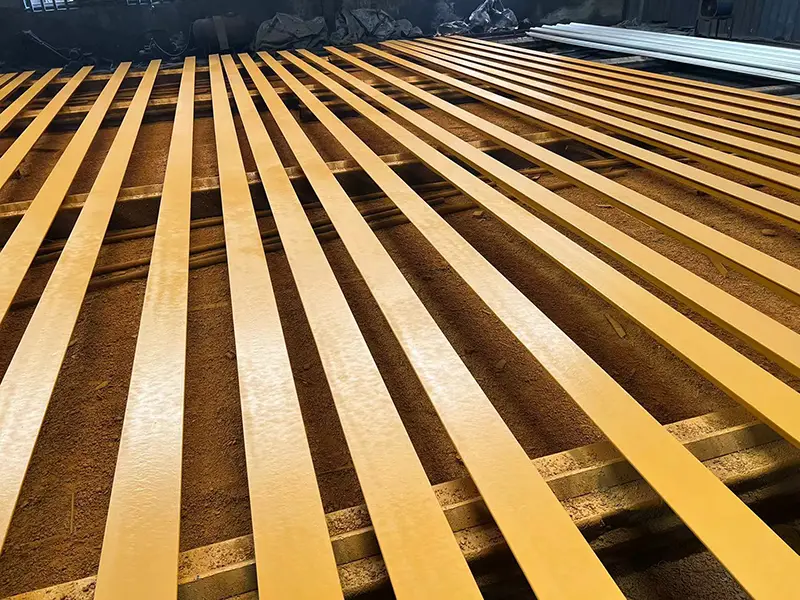
- Finish Coat: Polyurethane epoxy paint, RAL 1007 Yellow, 60 μm
Total Dry Film Thickness
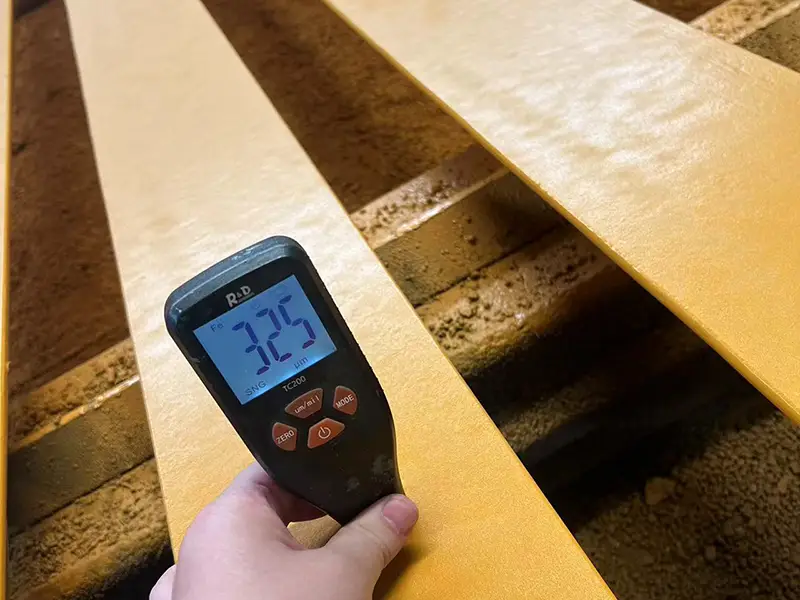
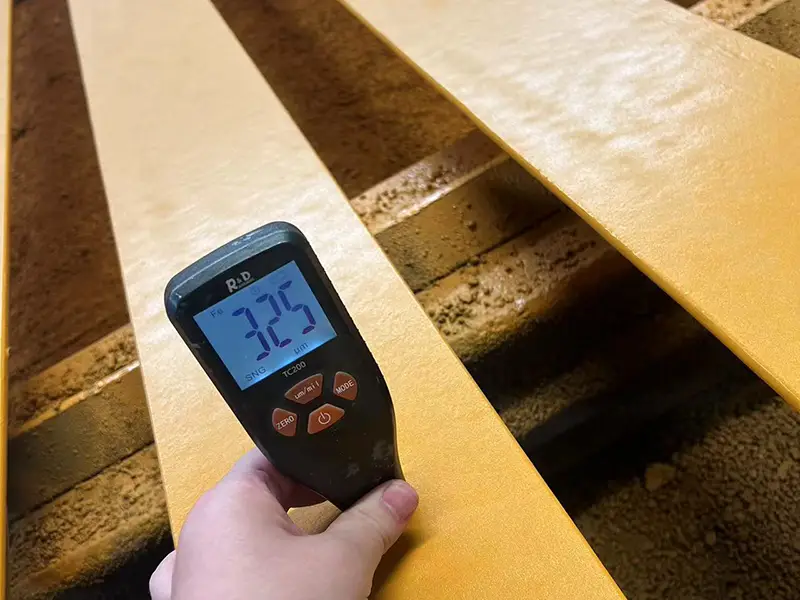
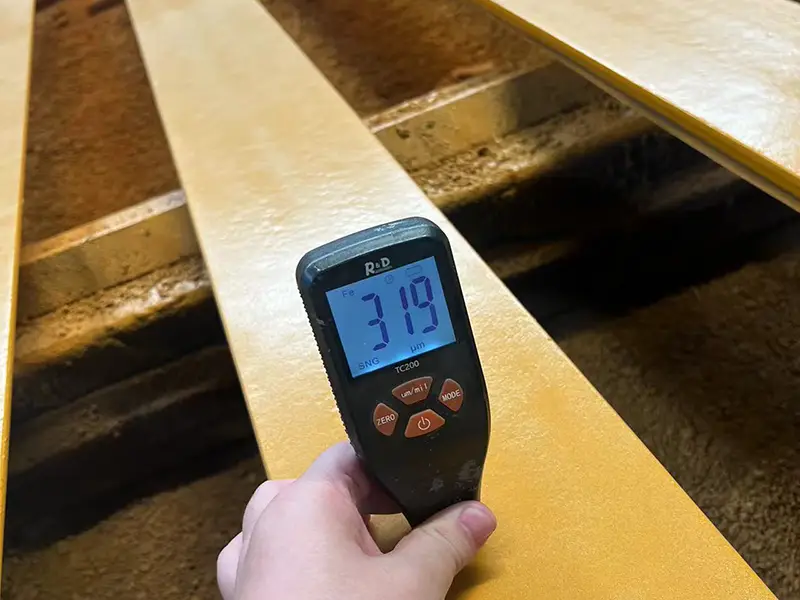
- Minimum DFT: 260 μm
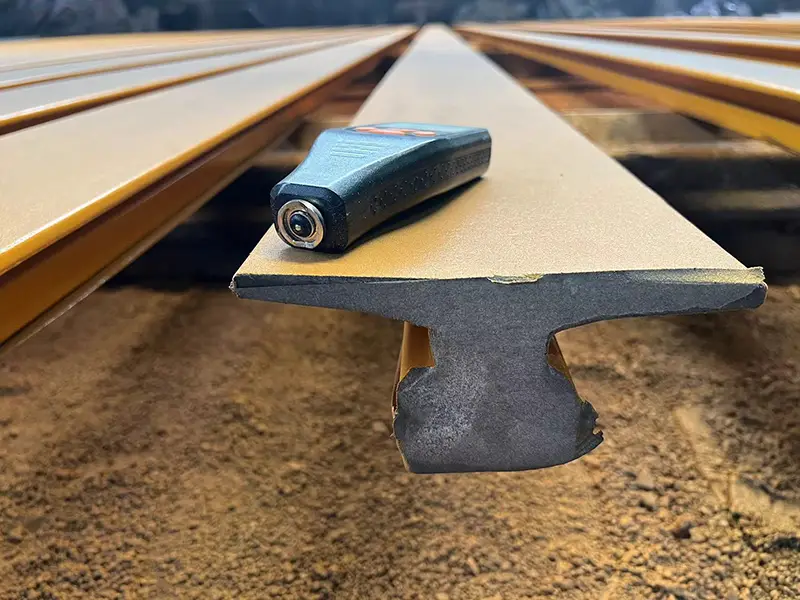
The rail head and all weldable areas were required to remain uncoated to maintain proper wheel contact and facilitate field welding.
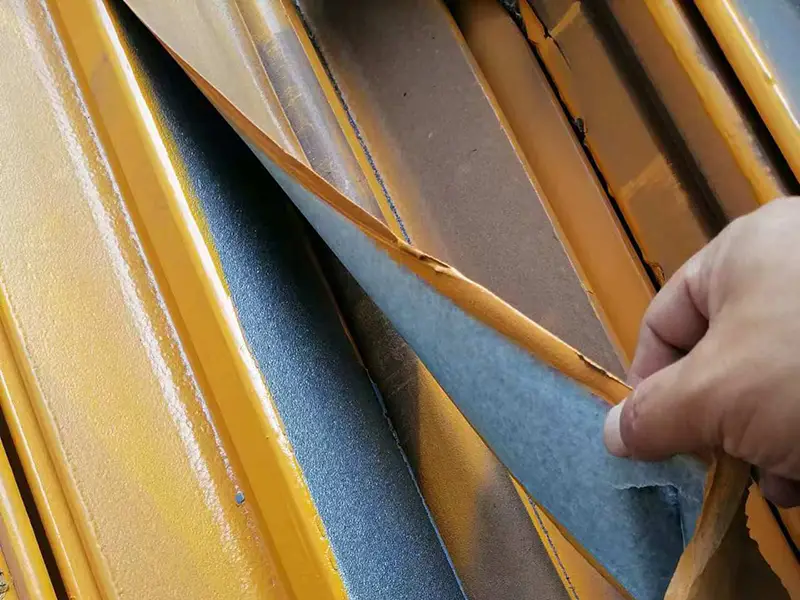
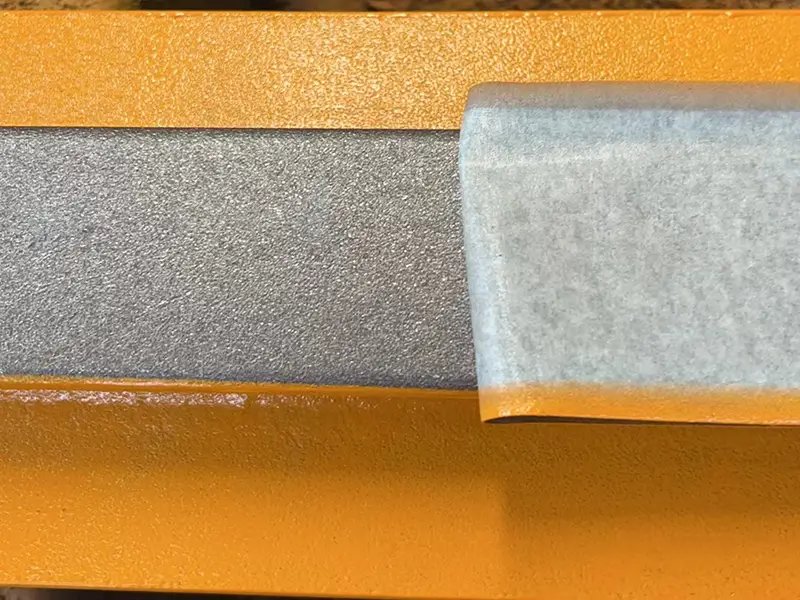
Based on the client’s drawings, the area above Line A was designated as the no-paint zone. Before painting, protective film was carefully applied to the rail head and welding bevels. The remaining surfaces then received full 360-degree coating coverage, providing comprehensive corrosion protection while preserving critical functional areas.
Special Handling of A65 Short Rails
One of the key discussions during the project involved the coating scope for the short rails.
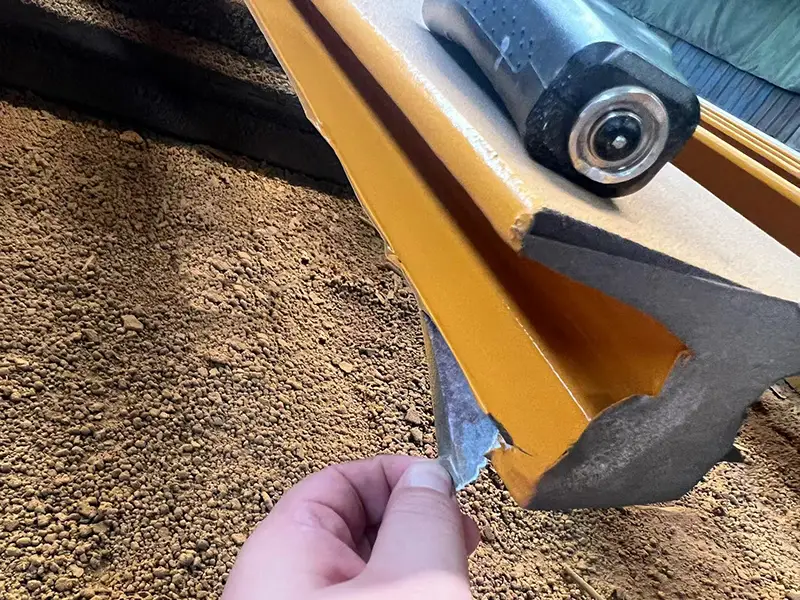
Initially, the client requested that both rail end sections remain unpainted. After reviewing the drawings together, we clarified that the non-weldable portion of the L-shaped cut section could still be coated because it would not affect subsequent welding operations.
Following technical confirmation, both parties agreed that:
- The actual welding bevel areas would remain uncoated.
- The L-shaped cut sections could receive the full protective coating system.
Supporting drawings and finished-product photos helped clearly define the coating boundaries and avoid misunderstandings during production.
Inspection and Quality Control
All rails underwent detailed inspection before shipment.
Quality control procedures included:
- Dry film thickness measurement using calibrated coating thickness gauges.
- Verification of coating consistency across long and short rails.
- Inspection of masking lines and no-paint areas.
- Visual examination for coating defects such as runs, pinholes, or missed spots.
The client reviewed inspection photos and videos remotely, while third-party representatives monitored the process.
Inspection records confirmed that all measured coating values complied with the project specification. The finished rails displayed a uniform coating appearance and clean separation between coated and uncoated zones.
Project Highlights
Customized Coating Solution
The project required careful masking of functional surfaces while maximizing corrosion protection. Particular attention was given to the treatment of the short rail L-shaped sections, balancing coating coverage with future welding requirements.
Efficient Production and Delivery
Through advance production planning and coordinated logistics, the rails were manufactured, inspected, and shipped within a tight project schedule.
Protection for Ocean Transportation
To minimize the risk of damage during sea transport, the rails were secured using steel frames, timber spacers, and waterproof packaging materials. This packaging method helped protect both the coating system and the rail surfaces throughout the voyage to Sri Lanka.
Project Outcome
The A65 crane rails were successfully delivered to Colombo Port and prepared for installation on the port crane runway system.
By combining customized rail processing, controlled coating application, and detailed inspection procedures, the project met the client’s technical requirements and delivery schedule.
The completed rails provided a durable, corrosion-resistant solution suitable for long-term service in Sri Lanka’s coastal port environment.
Why Partner with Glory Track
Custom Rail Processing
We provide cut-to-length rails, end machining, bevel cutting, drilling, painting, and other value-added processing services tailored to project requirements.
Experience in Port Crane Rail Projects
Glory Track has supplied crane rails and rail accessories to ports, container terminals, and heavy-duty material handling facilities across Asia, the Middle East, and other international markets.
Reliable Quality Management
Operating under an ISO 9001 quality management system, we maintain traceability from raw material procurement through final inspection and shipment.
Get a Quote for A65 Port Crane Rails
Looking for a reliable supplier of A65 Port Crane Rails for your next port infrastructure project?
Glory Track provides customized crane rail solutions, including rail processing, protective coating, fastening systems, and global delivery support.
Contact our team today to discuss your project requirements and receive a tailored quotation.