
Steel Rail

What is Steel Rail? 

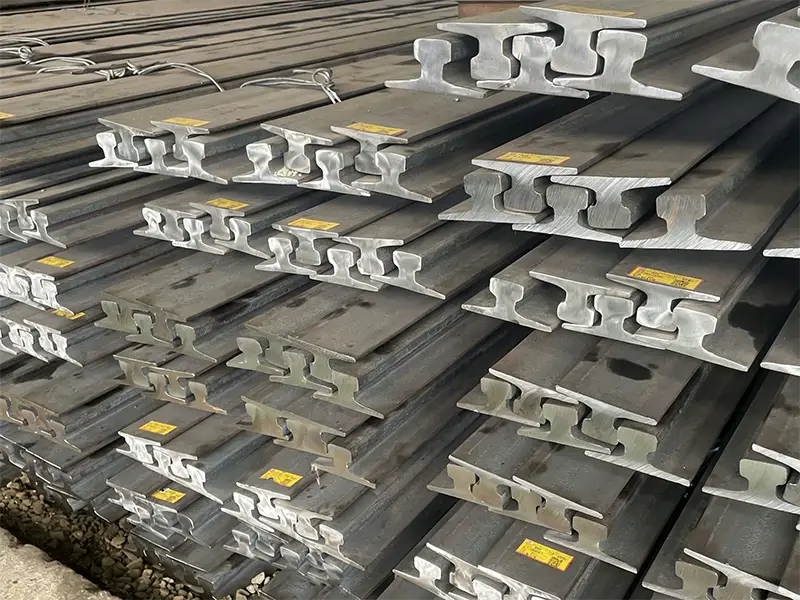
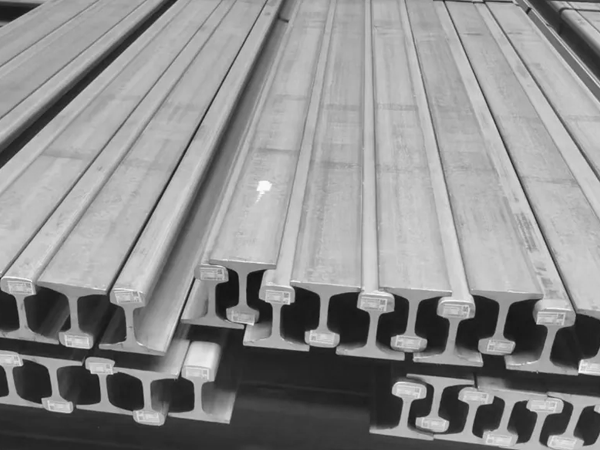
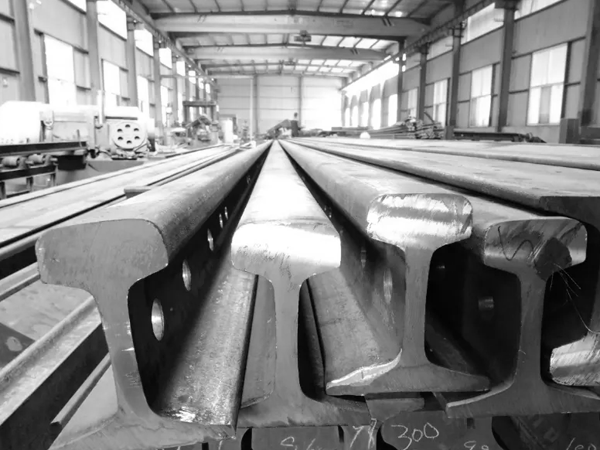
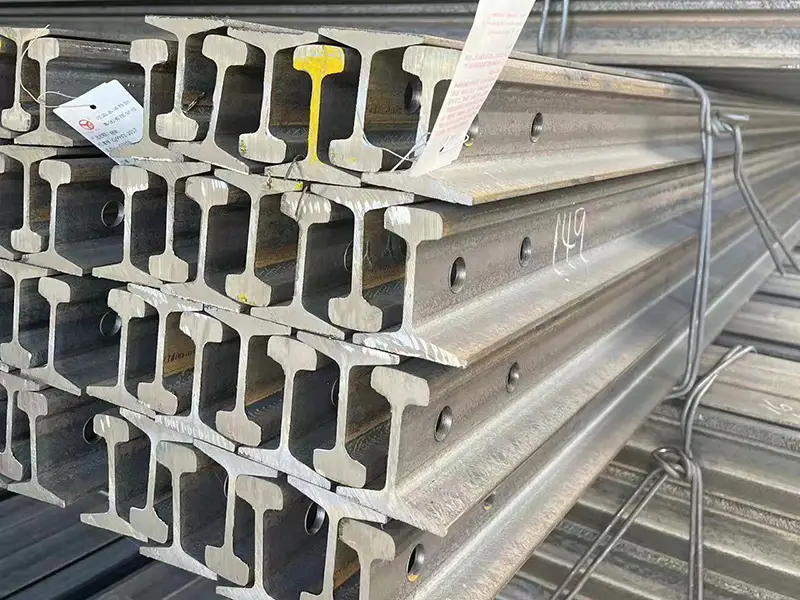
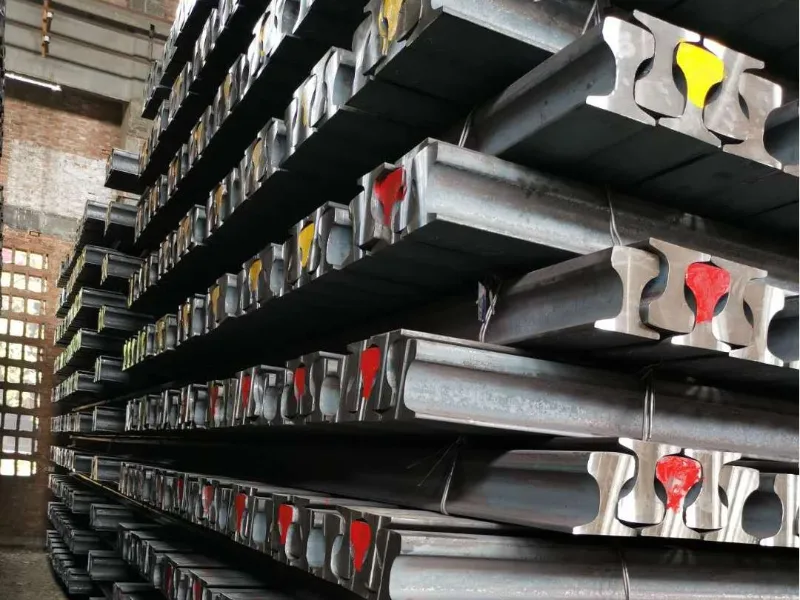
Steel rail, also known as railroad rail, railway rail, or crane rail depending on the application, is the primary load-bearing component in modern track systems. It is designed to guide wheels, transfer concentrated loads, and maintain operational stability under continuous heavy-duty service.

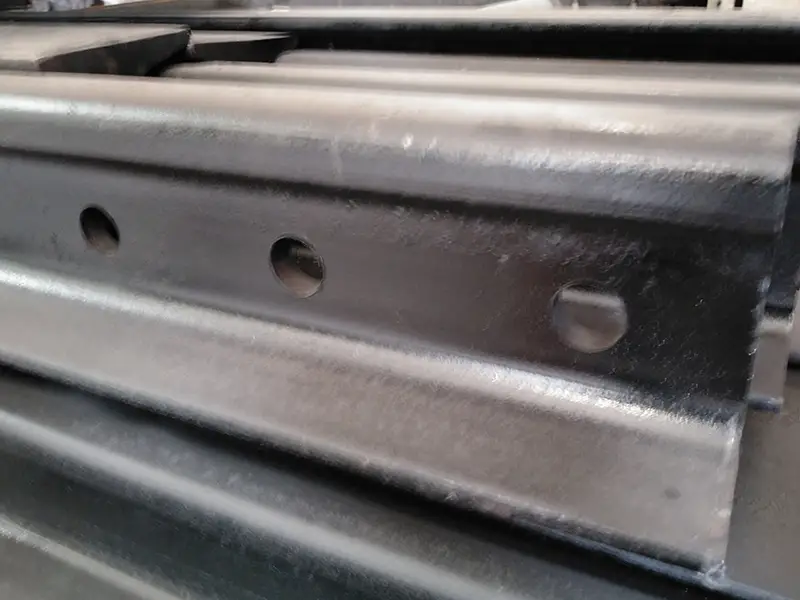
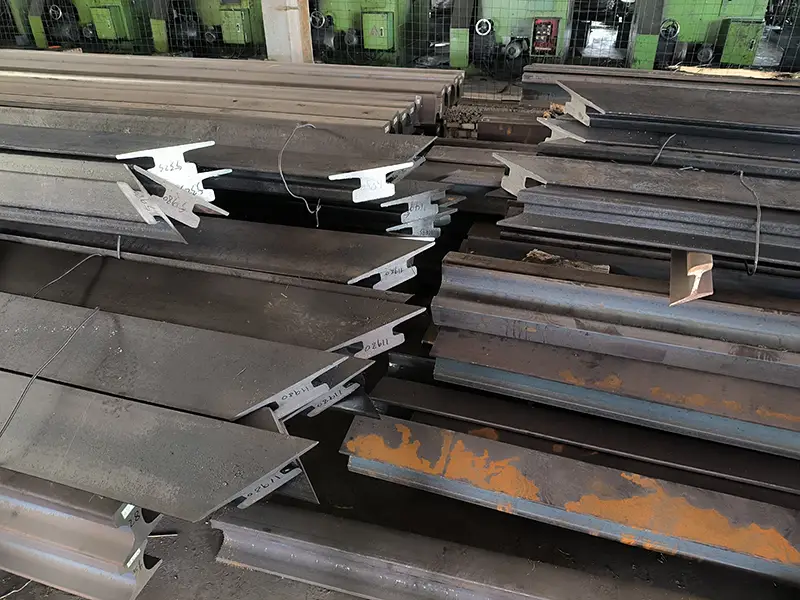
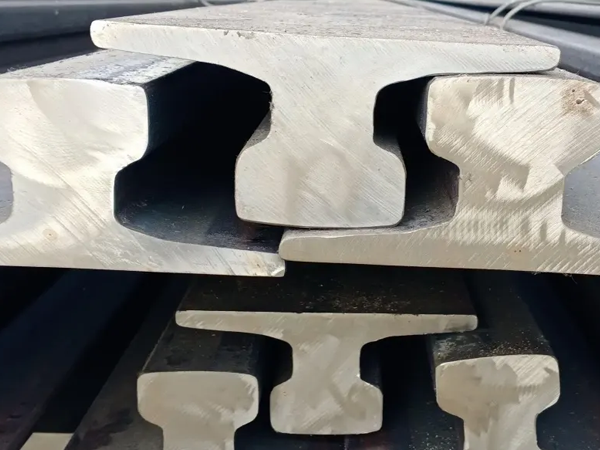
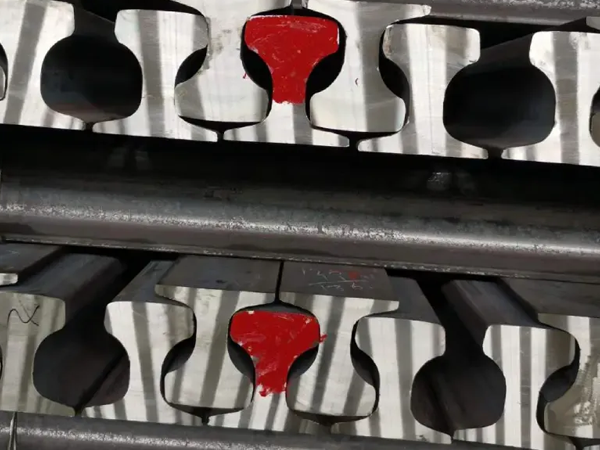
Steel rails are manufactured with an optimized I-beam cross-section consisting of the rail head, web, and base. This structural design provides high bending resistance, excellent load distribution, and precise wheel alignment for railway, crane, mining, and industrial transport applications.

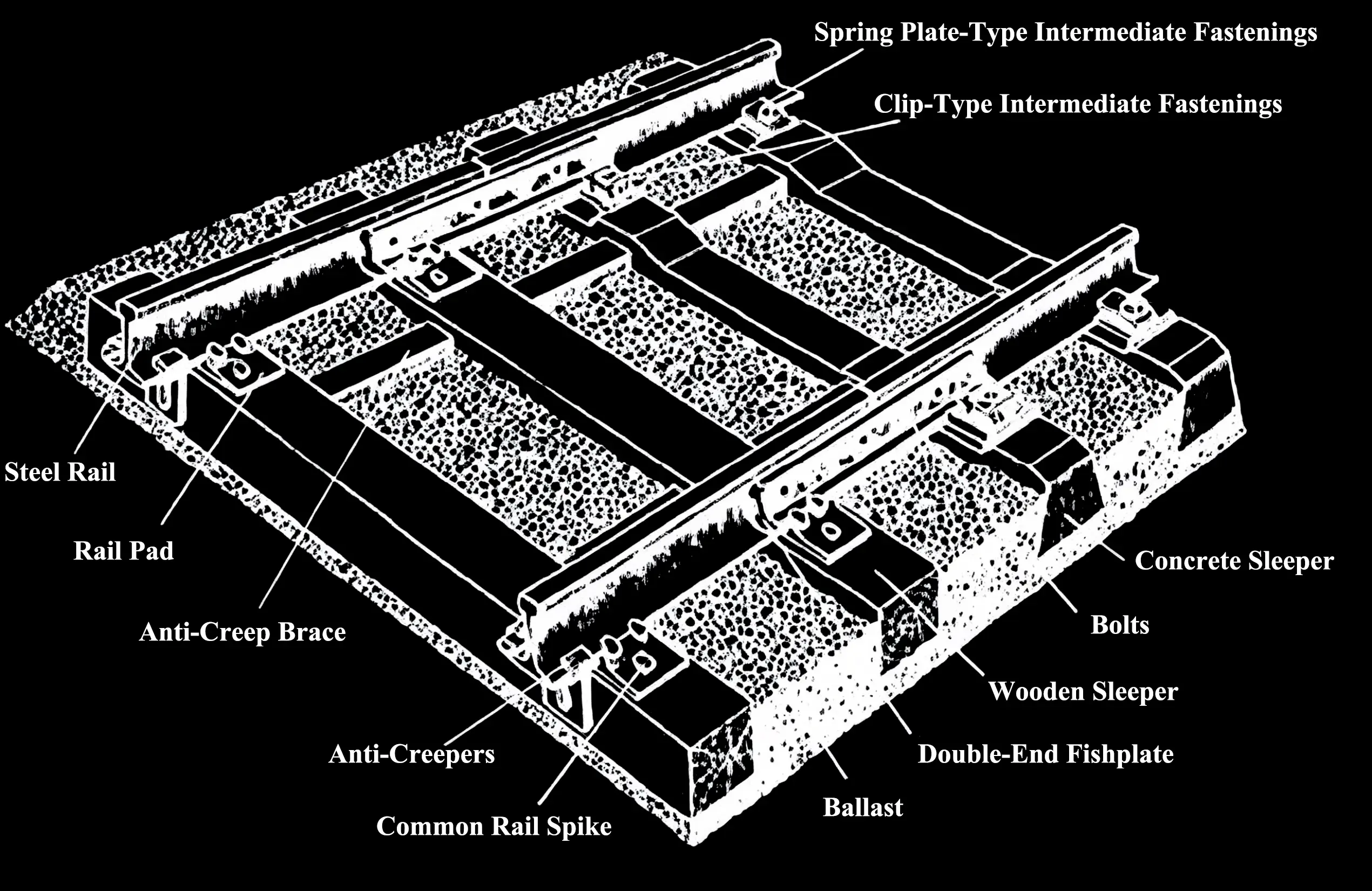
In practical applications, steel rails operate as part of a complete rail system together with rail fasteners, clips, pads, and baseplates to ensure long-term safety, stability, and operational reliability.

Steel Rail Cross-Section
Steel Rail cross-section

Steel Rail vs Crane Rail — Key Differences

While both serve as track systems, steel rails and crane rails are engineered for fundamentally different operating environments. Understanding these differences is critical to selecting the right profile for your project.

 Steel Rail (Railway Rail)Crane Rail
Primary PurposePassenger & freight railway transportIndustrial crane & overhead lifting systems
Typical MaterialHigh-carbon steel, alloyed steelHigh-grade alloyed steel with impact resistance
Design FocusSmooth top, standard profiles (UIC60, UIC54)Reinforced profile for heavy wheel loads
Performance NeedLoad distribution and durability at speedImpact resistance and frequent start-stop cycles
Common ProfilesUIC60, UIC54, 115RE, 136RE, 60E1QU70, QU100, A75, A100, UIC60
ApplicationNational railways, metro systems, freight linesOverhead cranes, gantry cranes, port terminals

Both rail types are available in a wide range of profiles and international standards. Below we break down the full selection by application, helping you identify the right match for your specific project.

Steel Rail Types We Supply

From main railway lines to light industrial tracks, our range of steel rails covers every application scenario. Each model is available in a variety of standards and material grades, precisely tailored to meet your specific requirements.

Train Tracks

Train tracks (railroad rails) are mainly used in national railways, subways, and tunnel transit systems. We supply UIC60, UIC54, AREMA 115RE, 132RE, ASCE 60, ASCE 85, and JIS 50N. Engineered for high‑load and high‑speed demands, UIC and AREMA rails are the top choices among global operators.

Mining Rails

Mining rails are widely applied in underground tunnels, mining transport, and light‑duty cranes. We supply 15 kg, 18 kg, and 30 kg light rails under Chinese GB and Japanese JIS standards, typically in 6‑meter lengths. Materials 55Q and Q235 are available to balance strength and wear resistance.             

DIN536 Rail

DIN536 crane rails are designed for overhead cranes, gantry cranes, and port handling systems. Our range covers A45 to A120, with A75 and A100 as best‑sellers for heavy‑duty compatibility. These rails offer high dimensional accuracy and excellent surface hardness, ensuring reliable industrial track alignment.                               

QU Crane rails

QU crane rails follow the Chinese YB/T 5055-2014 standard, engineered for crane runways, steel mills, and container terminals. We keep QU70, QU80, QU100, and QU120 in ready stock. With a thick base and high vertical load capacity, they provide a cost‑effective solution for heavy material handling.     

Flat Bar Rail stock

Flat Bar Rail

Flat bar steel rails are used in light‑duty transport, warehouse trolleys, mining carts, and guide systems. We offer custom sizes such as 30×40 mm and 40×60 mm, among others. Their simple geometry allows flexible installation, making them ideal for small‑scale and non‑standard rail applications.                    

How to Select the Right Steel Rail

The Importance of Choosing the Right Steel Rail

Selecting the appropriate steel rail is critical for the safety, efficiency, and lifecycle economy of any railway or crane system. The right rail must withstand vertical loads, lateral thrust, and repeated wheel friction without fracture or deformation. It must also adapt to the specific demands of its operating environment — high‑speed precision for passenger lines, heavy‑load durability for freight corridors, or impact resistance for industrial crane runways. A well‑matched rail reduces wheel‑rail friction, lowers energy consumption, extends service life, and minimizes both maintenance costs and track outage losses. Ultimately, the correct rail profile, material grade, and fastening compatibility ensure the entire track system complies with applicable technical standards while achieving an optimal balance of safety, efficiency, and long‑term value.

Key Considerations When Selecting Crane Rails

Environmental Adaptability

Alpine regions require low‑temperature toughness to prevent brittle fracture. Coastal and industrial areas demand corrosion‑resistant coatings or weathering steel to combat salt spray and chemical exposure.

Rail Specifications & Load Matching

Match the rail profile to your design axle load. Heavy‑haul railways demand high‑strength profiles like UIC60 or 75 kg/m rail. Crane runway rails must support concentrated wheel loads with adequate bending stiffness.

Material Properties

Ordinary carbon steel (e.g. U71Mn) — general lines with moderate traffic.
Heat‑treated rails (e.g. U75V, R350HT) — enhanced wear resistance for heavy‑haul routes.
Corrosion‑resistant steel (e.g. copper‑bearing rail) — coastal or acid‑rain regions.

Gauge Standards

Gauges vary by region, rails must be compatible with sleepers and fastenings.
Standard: 1435 mm (~60% of global railways). Broad: 1520 mm (Russia, Mongolia), 1676 mm (India, Pakistan).
Narrow: 1000 mm meter gauge (Southeast Asia, Yunnan) — low cost, limited capacity.

Steel Rail Profiles — Commonly Used Types

A consolidated reference of major rail standards and their representative profiles

StandardRegionTypical ProfilesApplication Notes
ASCEUSA / InternationalASCE25, ASCE40, ASCE60, ASCE85Light industrial cranes, mining tracks, automated warehouse systems
UICEurope / InternationalUIC54, UIC60High-speed and heavy-haul railways; also used in crane systems
JISJapan / Asia15kg, 22kg, 30A, 37A, 50N, CR73, CR100Light rails to heavy crane rails under JIS standards
GB HeavyChina38kg, 43kg, 50kg, 60kg, 75kgFreight railways, industrial rail systems, crane applications
GB MiningChina8kg, 9kg, 12kg, 15kg, 18kg, 22kg, 24kg, 30kgUnderground mining rail with lighter section and lower load capacity
ENEurope49E1, 50E1, 54E1, 60E1European railway profiles under EN 13674 series
DIN536Germany / EuropeA45, A55, A65, A75, A100, A120Dedicated crane rail standard with wide base and high wheel-load capacity
QU (YB/T)ChinaQU70, QU80, QU100, QU120Chinese crane rail standard for overhead and gantry cranes
BSUK / CommonwealthBS50O, BS60A, BS75A, BS100ABritish rail profiles for industrial and railway applications

Material Grades & Performance

Mechanical properties and application matching for every steel rail grade

The performance and service life of a steel rail depend heavily on its material grade. Below we break down the most commonly specified grades , including U71Mn, 55Q, and U75V, across key mechanical properties, so you can match the right material to your operating conditions.

GradeTypical Rail TypeTensile Strength (MPa)Hardness (HB)Key Characteristic
Q235BMining rail, flat bar375–460120–160Economical structural steel for light-duty applications
55QLight rail, mining rail≥685≥197Balanced strength and cost performance for medium loads
50MnDIN A series rail, mining rail≥645≤255High impact toughness for crane and industrial rail applications
U71MnQU rail, DIN rail, JIS crane rail, railway rail≥880260–300Versatile crane rail grade with excellent strength and durability
U75VHeavy railway rail≥980280–320Enhanced wear resistance for heavy-haul rail systems
900AAREMA rail, UIC rail≥880270–300International railway grade widely used in global rail networks
R350HTEN13674≥1175350–390Premium heat-treated; maximum wear resistance for busy main lines

Quick Reference

Steel Rail System Components

A steel rail system consists of the rail itself plus the components that hold it in place, absorb shock, and join rail sections. The main parts are rail clips, baseplates, rubber pads, fishplates, and anchor bolts. How the system performs over time also depends on welding procedures, expansion joint design, and installation tolerances.

  • Steel Rail
    The load bearing member that guides wheels and transfers weight to the baseplate. We supply QU, DIN, ASCE, UIC, JIS, GB, EN and BS standard profiles.
  • Rail Clips
    Lock the rail onto the baseplate to stop sideways shift and uplift. Available as single bolt, double bolt, or with a rubber nose for extra dampening.
  • Baseplates
    Steel soleplates that spread the load and give a flat mounting face. Supplied as independent plates or continuous welded strips, with clips and holes added as needed.
  • Rubber Pads
    6–8 mm EVA or rubber pads with internal steel reinforcement. Sit between rail and baseplate to absorb impact, cut vibration, and protect contact surfaces. Sheets or rolls.
  • Fishplates
    Joint bars for end to end rail connection. Each set includes high strength bolts, nuts and washers. 45 degree mitre cuts also available.
  • Anchor Bolts & Spikes
    Chemical anchor bolts and screw spikes fix baseplates to concrete or steel. Keep the whole assembly locked in place under repeated dynamic loads.
Basic Components of Steel Rail System

Client Success Stories

Real projects, real results from rail systems around the world

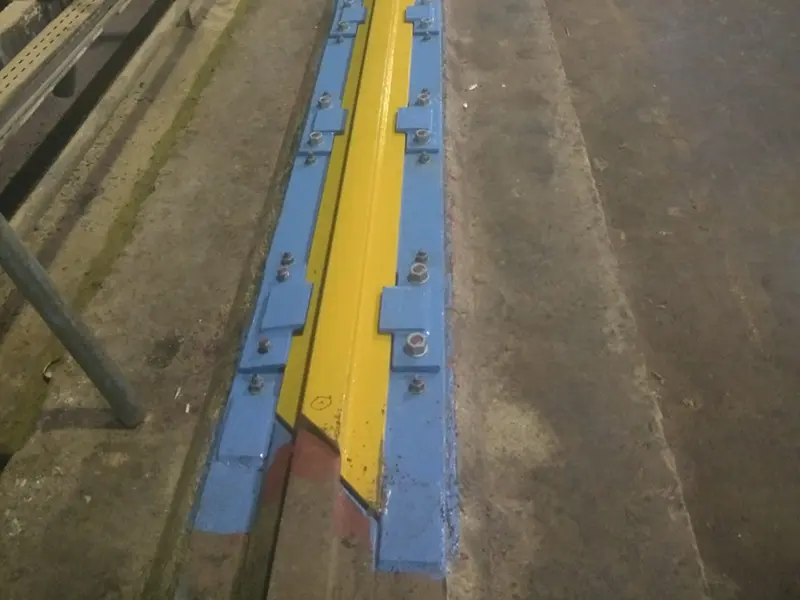
Newly installed A75 crane rails at Pakistan fertilizer plant

A75 CRANE RAIL PAKISTAN

Fertilizer Plant Conveyor Rail Replacement A fertilizer plant in Pakistan replaced worn conveyor runway rails. We supplied 228 m of A75 rail with 45° mitre cuts, 6 m center-to-center, plus hot-dip galvanized anchor bolts, hex bolts, and steel soleplates. Before production we shipped A75 samples for SGS testing arranged by the client. Rails were delivered on time and the client applied sandblasting and paint coating on site.
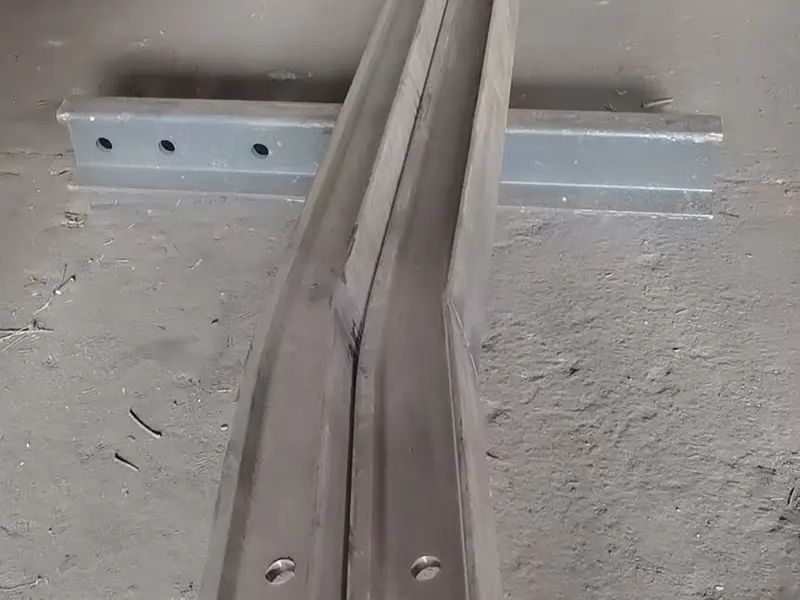
Vertically bent 30kg ASCE60 rails for Indonesia conveyor project

30KG ASCE60 INDONESIA

Conveyor Vertical Curve Bending Solution An Indonesian supplier needed vertically curved ASCE60 rails for an incline conveyor. Standard stock was 6, 8, or 10 m, not the 12 m the client planned. We proposed 4 × 6 m rails bent to the supplied drawings instead of 2 × 12 m. This cut waste entirely and saved cost. W116 rail clips were included for a complete fit.
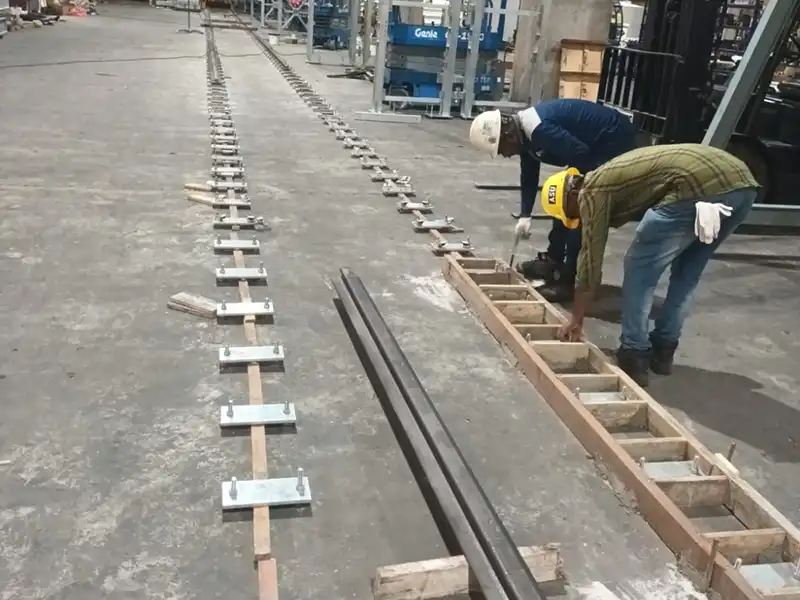
A100 gantry crane rail installation at Singapore shipyard

A100 CRANE RAIL SINGAPORE

Shipyard Gantry Crane Rail System Upgrade A shipyard in Singapore upgraded the runway in their module pre-assembly workshop. We provided 12 m A100 rails, individual steel soleplates, and rubber pads to damp vibration on the concrete floor. Technical guidance on alignment and pad placement was included. After install, crane operators reported smoother travel and noticeably lower floor vibration.
滚动至顶部