Fish Plate
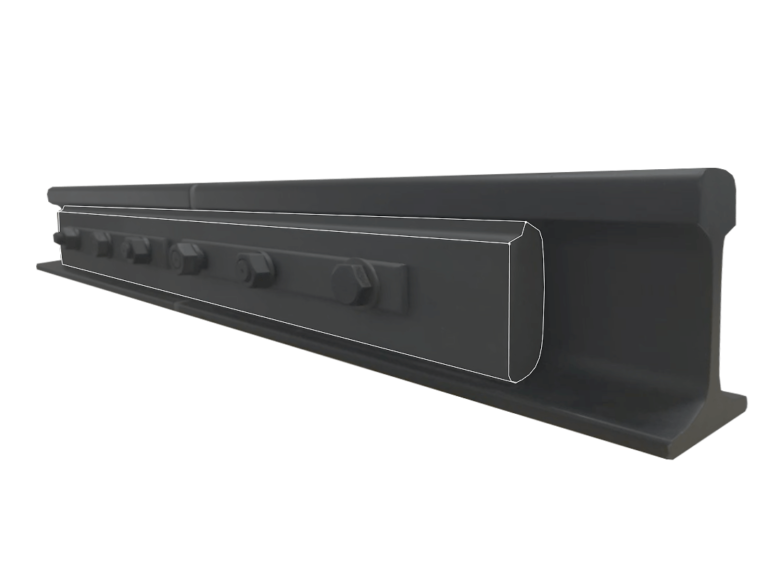
Fish plate, also known as rail joint bars, are essential fastening components used to connect two adjacent rails. They are available for light rails, heavy rails, and crane rails. Compared to rail welding, fish plates offer a more efficient solution, requiring less labor and faster installation. Properly designed fishplates reduce wheel impact, maintain rail continuity, and improve train smoothness.
Structural Design
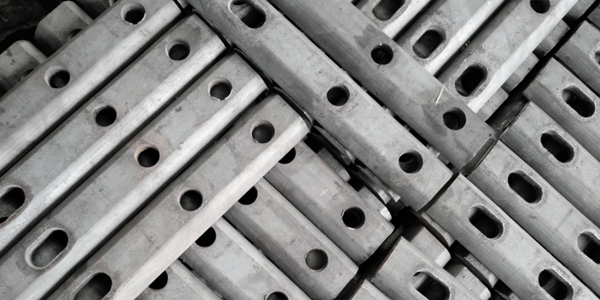
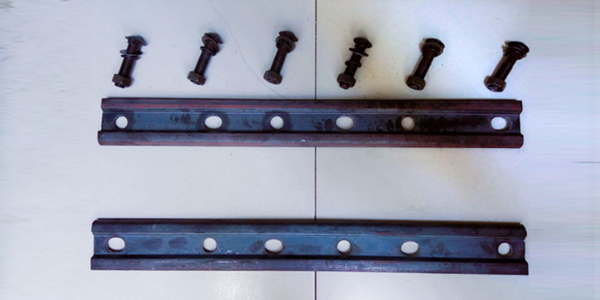
Most fish plates are designed with bolt holes in the middle. On the upper and lower sides along the horizontal axis of the bolt holes, there are upper working surfaces in contact with the lower part of the rail head, and lower working surfaces in contact with the upper part of the rail base.
In some fishplates, the rear part of the upper working surface extends upward to form a transition section that is higher than the rail surface. This transition section forms an arched shape along the length of the fishplate, with the middle part raised and both ends lowered. This arched design allows for better contact with the rail shape and helps to cushion vibration.
Types of Fish Plate
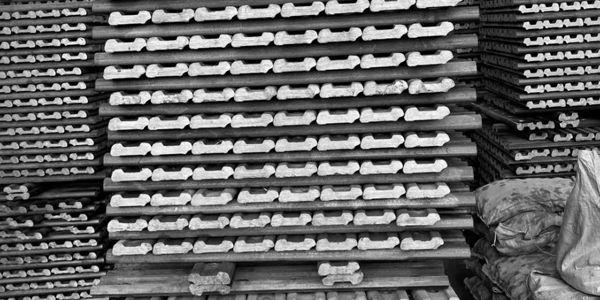
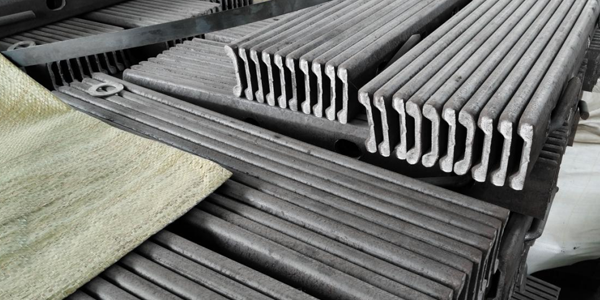
Fish plates can be classified based on the type of rail they are matched with—light rail, heavy rail, and crane rail fishplates. Standard fishplates are usually rolled from Q235 steel, but other materials and shapes can be customized according to project requirements.
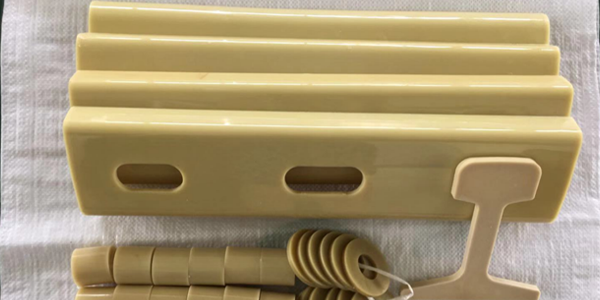
Functionally, fishplates can be divided into regular and insulated fishplates. Insulated joint bars, made of insulating materials, are corrosion-resistant, UV-proof, non-conductive, and non-magnetic. These plates are made of thermosetting materials that cannot be reprocessed and are commonly used in railway systems with track circuits to prevent electrical short circuits.
To learn more about the different types, materials, and selection tips for rail joint bars, check out our article Fish Plates : Types, Materials, and How to Choose the Best One

Fish Plate We Supply
At Glory Track, we supply a full range of joint bars for various rail types and applications. Whether you need standard joint bars or customized insulated designs, our team can help you choose the right solution for your project.
Contact us today to discuss your requirements and get technical support tailored to your rail system.
Get a Quote For Fish Plates Now
To help us recommend the most suitable fishplate solution, please provide:
- The type and size of rail used in your project
- Whether electrical insulation is required
- Any special material or design preferences
Sharing these details helps us offer the most accurate quote and support—faster and with fewer back-and-forths