

Why Are Rails Designed with an I-Section?
I-section rails optimize strength, load resistance, and material use—making them the safest, most efficient choice for modern railway systems.
Why Are Rails Designed with an I-Section? Read Post »
I-section rails optimize strength, load resistance, and material use—making them the safest, most efficient choice for modern railway systems.
Why Are Rails Designed with an I-Section? Read Post »

Learn about fish plates, their types, materials, and applications in rail systems. Find the best choice for secure, durable rail connections across various environments.
Fish Plates : Types, Materials, and How to Choose the Best One Read Post »
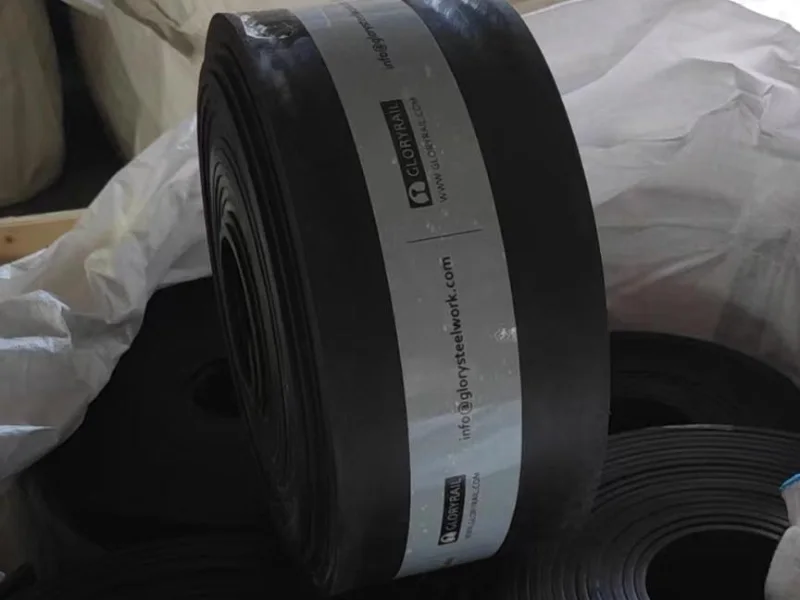
Rail rubber pads absorb shocks, reduce noise, protect sleepers, and provide insulation—crucial for safe, durable, and efficient railway operations.
Why Railway Track System Needs Rubber Pads? Read Post »

Crane operation is of great significance to the busy port operations. There are two common types of cranes used in ports: wheeled cranes and rail – mounted cranes.
Which is More Suitable for Ports: Wheeled Cranes or Rail-Mounted Cranes? Read Post »
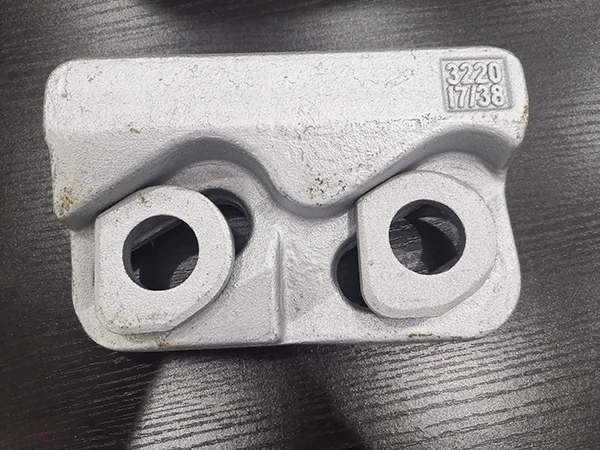
Rail clip(also called rail fixing clip) may be small in size, but they play a critical role in securing rails and ensuring the stable operation of rail systems and industrial equipment
Welded VS Bolted Rail Clips:Which One is better for your Project? Read Post »

Bolts are super important in many industries. They connect different parts in railway building, crane making, ship construction and structural engineering.
Guide to the Selection between Hot-dip galvanized Bolts and cold galvanized Bolts Read Post »