
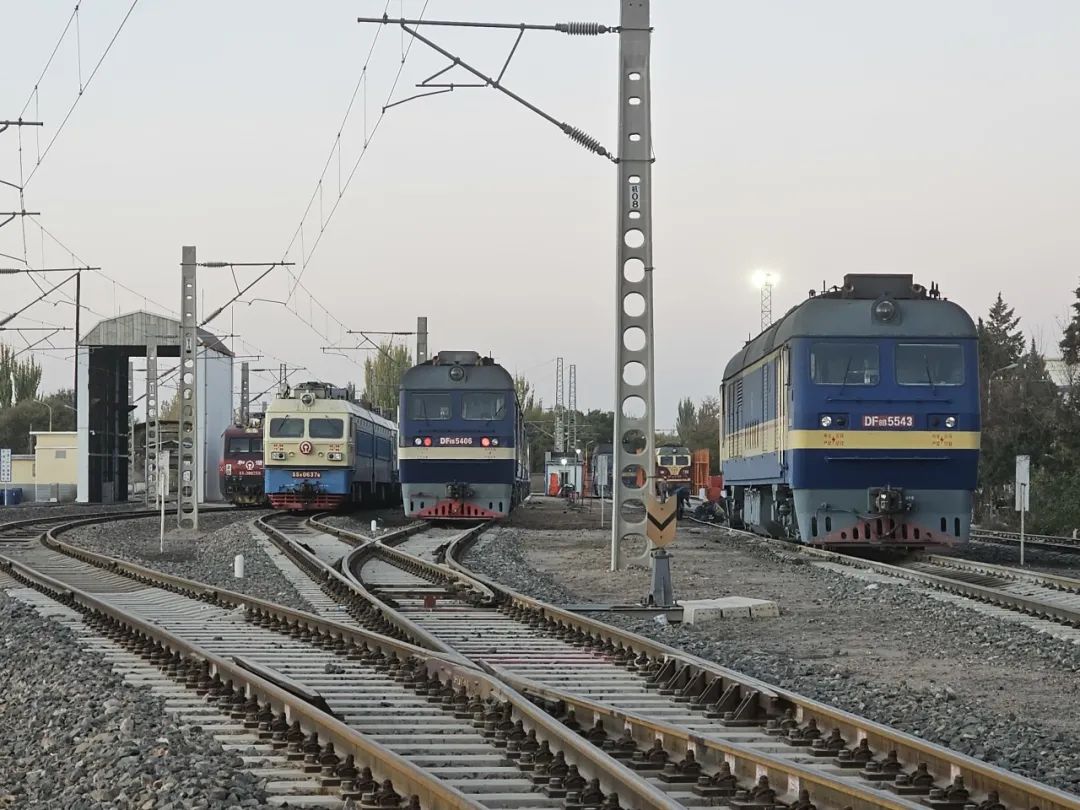
Winter rail maintenance is critical because cold weather places unique mechanical and structural stresses on steel rails. In winter conditions, temperature drops can significantly affect rail performance, safety, and service life—especially in industrial rail systems, crane tracks, and heavy-duty transport lines.
Understanding how low temperatures impact steel rails, and how thermal stress is managed, is essential for maintaining reliable rail operation during winter.
How Low Temperatures Affect Steel Rails
Steel rails respond directly to temperature changes. When temperatures fall, rails contract; when temperatures rise, they expand. In winter, this contraction introduces several risks if not properly managed.
Thermal Contraction and Internal Stress
As steel cools, its length decreases. If rail movement is restricted—by fasteners, sleepers, or welded joints—thermal contraction generates internal tensile stress. Excessive tensile stress may lead to:
- Rail cracking or brittle fracture
- Increased stress at weld zones and joints
- Loss of rail alignment or gauge deviation
These risks are more pronounced in continuous welded rail (CWR) systems, where expansion joints are limited.
Increased Brittleness at Low Temperatures
At lower temperatures, steel becomes less ductile and more brittle. This reduces its ability to absorb impact loads from wheels, crane trolleys, or heavy transport equipment.
Potential consequences include:
- Higher crack initiation probability
- Faster crack propagation once damage begins
- Reduced tolerance to shock loads and vibration
For crane tracks and industrial rails exposed to dynamic loads, material selection plays a critical role in winter reliability.
Common Winter-Related Rail Issues
During cold seasons, rail systems may experience several recurring problems:
- Rail fractures, especially near joints or welds
- Fastener loosening due to repeated contraction cycles
- Misalignment caused by uneven thermal movement
- Surface defects worsening under low-temperature fatigue
Without proper inspection and stress management, these issues can escalate quickly.
How Rail Stress Is Managed in Winter Conditions
Effective winter rail maintenance focuses on controlling thermal stress and maintaining structural integrity.
Stress-Neutral Temperature Control
Rails are typically installed and stressed at a specific stress-neutral temperature—the temperature at which the rail experiences no internal tensile or compressive stress.
Proper stress setting ensures:
- Controlled tensile stress in winter
- Controlled compressive stress in summer
- Reduced risk of fracture or buckling
Accurate stress adjustment is especially important for long crane track systems and heavy-load rail lines.
Expansion Joints and Rail Fastening Systems
In systems where continuous welded rail is not suitable, expansion joints allow controlled rail movement during temperature changes.
Additionally, modern rail fastening systems are designed to:
- Maintain clamping force during contraction
- Absorb limited longitudinal movement
- Reduce stress concentration at fixing points
Selecting appropriate fasteners is critical for winter performance.
Material Selection for Cold Environments
Rail steel grades with improved low-temperature toughness perform better under winter conditions.
Common strategies include:
- Using rail steels with higher fracture toughness
- Avoiding low-quality or inconsistent steel materials
- Applying heat treatment processes where required
For industrial and crane rail applications, material consistency directly affects winter reliability.
Winter Rail Inspection and Maintenance Practices
Regular inspection becomes even more important during cold months. Recommended practices include:
- Monitoring rail joints, welds, and fastening points
- Checking alignment and gauge stability
- Inspecting for surface cracks or unusual wear
- Tightening or replacing loosened fasteners
Preventive maintenance reduces unplanned downtime and extends rail service life.
Conclusion
Low temperatures place steel rails under significant thermal and mechanical stress. Thermal contraction, increased brittleness, and constrained rail movement can all compromise rail safety if not properly managed.
Through correct stress setting, appropriate fastening systems, careful material selection, and regular winter inspections, rail systems can operate safely and reliably even in harsh cold conditions.
For industrial railways, crane tracks, and heavy-duty transport systems, winter rail maintenance is not optional—it is a critical part of long-term performance and safety management.