
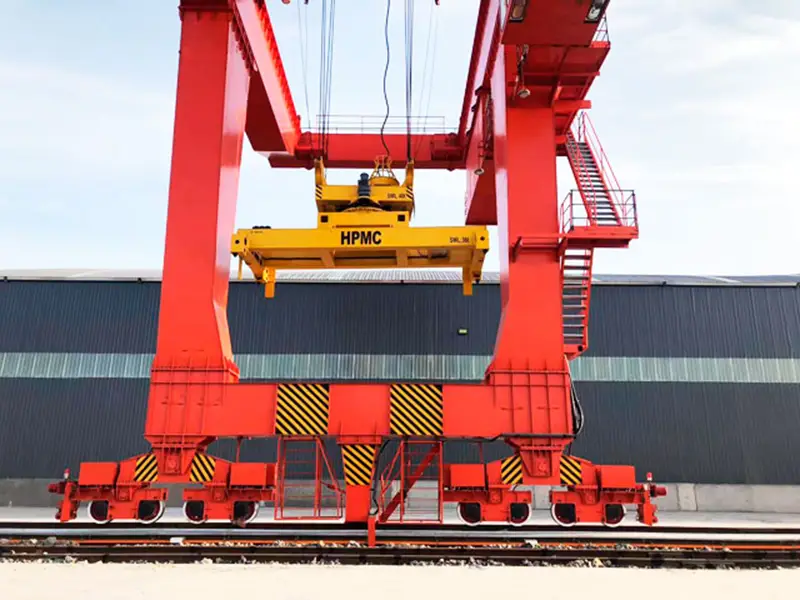
Industrial operations push equipment to the limit. Everything depends on durable and reliable infrastructure. At the core of many heavy-duty systems is a critical component: rail steel. This material forms the backbone for moving massive loads safely and efficiently. Understanding its performance is key to a successful project.
What Is Rail Steel?
Rail steel is a specialist, high-performance steel. It is engineered for one primary job: to carry immense, rolling loads for decades. Think of train tracks or the runways for giant factory cranes. That is rail steel in action.
It is not ordinary structural steel. Building beams must hold a static weight. Rail steel must resist dynamic forces. It faces constant pressure, friction, and impact from wheels. This demands a unique combination of hardness, strength, and toughness. Railroad track steel, commonly called rail steel, is specifically made to handle repeated heavy loads.
Key Properties of Rail Steel
Why does rail steel last so long under extreme stress? It comes down to three engineered properties.
High Hardness: The surface of the rail must resist wear. Hard steel prevents the rail head from deforming under wheel contact. This reduces material loss and extends the rail’s life.
High Yield Strength: This is the steel’s ability to resist permanent bending. High yield strength means the rail can carry tremendous weight without sagging or deforming. It maintains its shape and alignment.
Exceptional Fatigue Resistance: Rails endure millions of load cycles. Fatigue resistance prevents tiny cracks from forming and growing inside the steel. This is critical for long-term safety and reliability.
How Rail Steel Performs Under Heavy Loads
Heavy loads are the true test for any material. Rail steel is built for this challenge.
In crane rail systems, performance is measured in tons moved per day. High-quality rail steel maintains a smooth, stable runway. It prevents deflection that could disrupt crane operation. This ensures precise and safe load handling.
Port and mining rails face the harshest conditions. They deal with ultra-heavy wheel loads, abrasive dust, and constant impact. Here, rail steel’s wear resistance and toughness are vital. It must withstand the brutal environment without failing.
The secret lies in its metallurgy. The right railroad track steel is heat-treated and alloyed to create a tough, uniform microstructure. This allows it to absorb high wheel pressure and shock loads without cracking.
Common Heavy-Duty Rail Applications
Different industries rely on rail steel for their most demanding tasks.
Overhead Crane Rails: These are the workhorses of factories and warehouses. They enable cranes to move heavy materials across large spans. Consistent performance is non-negotiable.
Gantry Crane Rails: Common in shipyards and outdoor storage yards, these rails are laid at ground level. They must endure weather, temperature changes, and direct exposure.
Industrial Rail Systems: This includes specialized transport within steel mills, foundries, and other heavy plants. Operations are continuous and loads are extreme.
Choosing the right rail profile is part of the solution. For crane systems under high wheel loads, crane rails made from high-strength rail steel are the standard. In many heavy-duty European applications, DIN 536 crane rails are often selected for their proven wear resistance and consistent quality.
How to Choose the Right Rail Steel for Your Project
Selecting the correct rail steel grade is crucial for safety, cost, and longevity. The choice depends on your load, environment, and budget.
For Light-Duty or Cost-Sensitive Applications:
Material: Q235 standard carbon steel and 55Q
Use Case: Ideal for light cranes, manual systems, or temporary tracks where extreme strength is not the priority. It offers the best cost efficiency for lighter loads.
55Q is a higher carbon steel, commonly specified for mining rails, port rails, and very heavy-duty crane systems where abrasion and impact are severe.
For Standard to Heavy-Duty Industrial Cranes (Most Common):
Material: U71Mn.
Use Case: This is the workhorse grade for overhead and gantry cranes. It provides an excellent balance of strength, wear resistance, and toughness. For the vast majority of industrial crane applications, U71Mn is completely sufficient and reliable.
For Severe-Duty Applications:
Material: U75V.
Use Case: U75V is a high-strength, low-alloy vanadium-treated steel. It offers superior hardness and tensile strength compared to U71Mn. This is the preferred choice for custom or extreme-duty applications where higher wheel pressures and longer service life are required.
Conclusion
Rail steel is the unsung hero of heavy industry. Its superior performance in hardness, strength, and fatigue resistance keeps critical operations running. By understanding its properties and selecting the appropriate grade—from cost-effective Q235/55Q to the robust U71Mn and high-performance U75V—you make an informed choice. The right rail steel ensures safety, minimizes downtime, and protects your investment for years to come.