

Rail spalling is a common surface defect in crane rail systems and other heavy-load rail applications. It typically appears as localized flaking, pitting, or material loss on the rail head, especially within the wheel–rail contact zone. Although it may resemble normal wear at first glance, rail spalling is usually a result of rolling contact fatigue rather than simple abrasion.
In crane rail systems, spalling rarely occurs as an isolated issue. It develops from the combined effects of repeated high stresses, impact loading, and material limitations over time. Understanding why rail spalling is so prevalent in heavy-load systems is critical for extending rail service life, reducing maintenance costs, and ensuring safe operation.
What Is Rail Spalling in Crane Rail Applications?
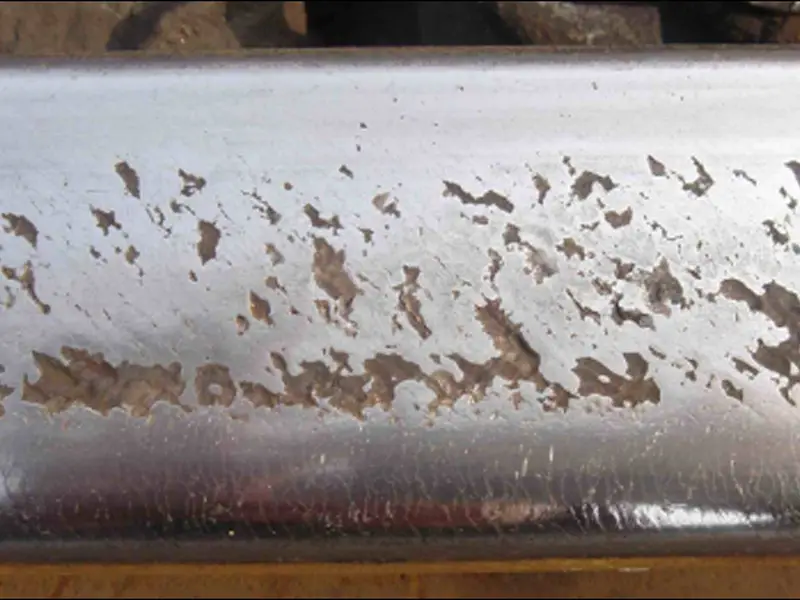
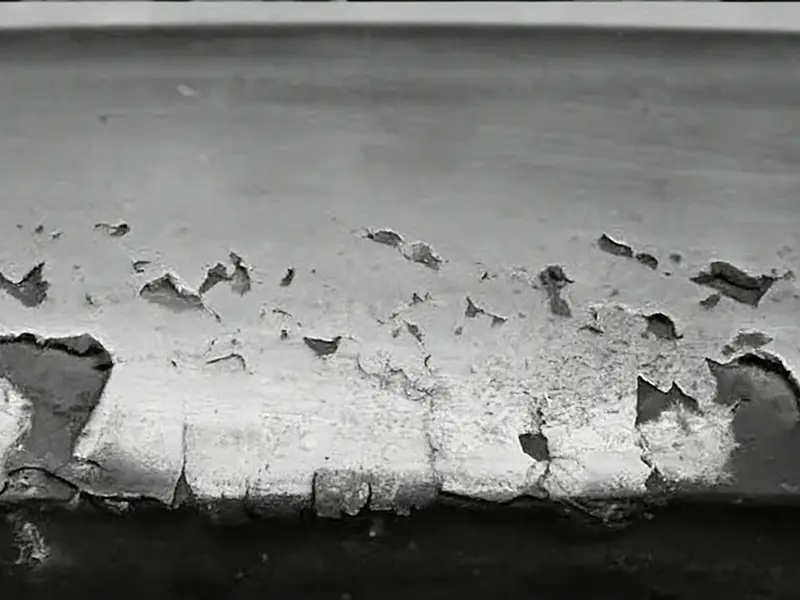
The gradual loss of material from the rail surface brought on by subsurface fatigue cracks is referred to as rail spalling. Spalling usually occurs on the rail head where wheel loads are concentrated in crane rail applications.
Spalling happens when microcracks start beneath the surface and spread upward, in contrast to uniform wear, which gradually smooths the rail surface. As these fissures widen, tiny pieces of metal separate, leaving the rail head with uneven patches or shallow pits. These flaws may worsen over time and hasten additional harm.
High Wheel Loads and Repeated Stress Cycles
The very high wheel loads involved are one of the main causes of rail spalling in crane rails.
Compared to traditional railway operations, wheel pressures imposed by crane systems are substantially higher. The wheel and rail experience extreme contact stress as a result of these concentrated loads, which frequently strain the rail material near its elastic and plastic limits.
Furthermore, during comparatively small travel distances, crane rails undergo numerous stress cycles. Crane wheels repeatedly go over the same rail sections rather than dispersing fatigue over kilometers of track. Compared to conventional rail systems, this repetition speeds up the formation and growth of microcracks by accelerating rolling contact fatigue.
Stop-Start Operation and Impact Loading
Crane rails operate under conditions that are fundamentally different from continuous railway movement. Frequent starting, stopping, and positioning introduce dynamic forces that greatly increase rail surface stress.
Each acceleration and braking event creates additional longitudinal and vertical forces at the wheel–rail interface. When combined with heavy static loads, these forces produce localized impact loading that intensifies material fatigue.
Crane rails do not fail because of long travel distances.
They fail because of repeated loading on the same contact zones.
This operational pattern makes crane rail systems especially vulnerable to surface defects such as spalling.
Material and Heat Treatment Limitations
Rail material selection plays a critical role in spalling resistance. In many heavy-load systems, rails originally designed for lighter or more uniform loading conditions are used beyond their optimal range.
If the rail steel is too soft, the surface undergoes plastic deformation under high contact stress, accelerating crack initiation. The material may not be sufficiently tough if the rail is too hard, leading to brittle surface fracture and quicker spalling advancement.
Achieving a proper blend of toughness, strength, and hardness is essential for crane rail performance. A stable microstructure that can tolerate rolling contact fatigue without premature surface breakdown is made possible by controlled heat treatment and appropriate steel grades.
Wheel–Rail Mismatch and Rail Profile Design
Spalling is often worsened by mismatches between wheel profiles and rail head geometry.
When the wheel–rail contact area is too small or poorly aligned, stress becomes highly concentrated in a narrow zone. This localized pressure increases subsurface shear stress and promotes early crack formation.
Optimized rail profiles and proper wheel compatibility help distribute loads more evenly across the rail head. Even small improvements in contact geometry can significantly reduce fatigue damage and slow the development of spalling.
Why Rail Spalling Is More Severe in Heavy-Load Systems
Crane rails and heavy-load systems combine several damaging factors at once: high wheel loads, short travel distances, repeated stress cycles, and dynamic impact forces. These conditions create an environment where rolling contact fatigue develops quickly and aggressively.
As a result, rail spalling in heavy-load systems is not simply a maintenance issue. It is a predictable outcome of improper material selection, unsuitable rail profiles, or insufficient consideration of operational loading conditions.
How to Reduce Rail Spalling in Crane Rail Systems
Instead of treating the outward signs of rail spalling, the underlying reasons must be addressed. Successful tactics consist of:
- Choosing rail steel grades appropriate for heavy wheel loads
- Using regulated heat treatment to maximize hardness levels
- Making sure the wheel-rail profile is compatible
- Conducting routine inspections to identify fatigue damage early
Rail surface fatigue can be greatly decreased when these elements are taken into account collectively, increasing operational reliability and service life.
Conclusion
Rail spalling is common in heavy-load systems and crane rails, which are subjected to high contact stress, repeated loading cycles, and dynamic forces that accelerate rolling contact fatigue. The problem is not sporadic, and maintenance is not the only way to resolve it.
Minimizing surface flaws requires a deeper comprehension of wheel-rail interaction, material behavior, and loading circumstances. Rail service life can be increased and spalling can be reduced by choosing the appropriate rail design and collaborating with knowledgeable crane rail professionals.