
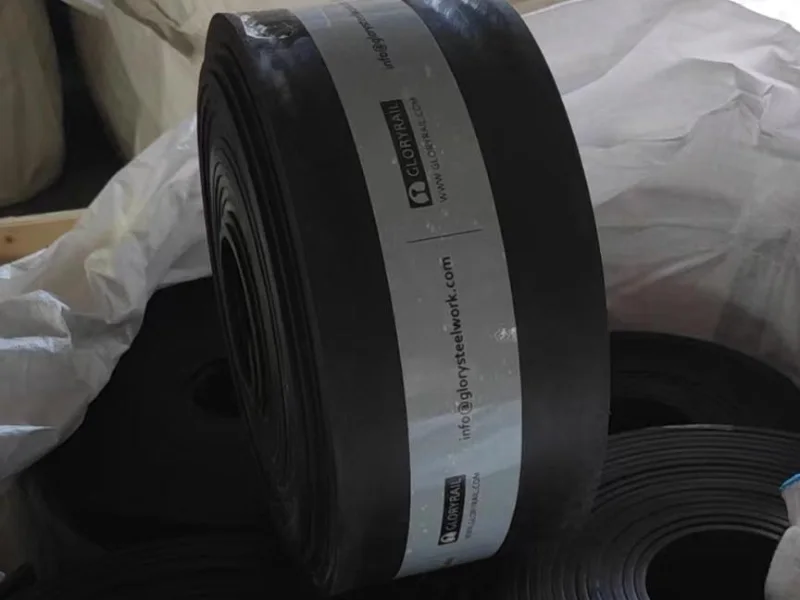
What is a Rail Rubber Pad?
A rail rubber pad is a crucial component in railway systems, typically made of rubber or plastic. It is installed between the rail and the concrete sleeper to provide insulation and shock absorption. Offsetting the rigidity problems of concrete sleepers improves the durability and performance of railway track.

Key Functions of Rail Rubber Pads
Shock Absorption
During operation, trains or other equipment generate intense vibrations and impacts. The elasticity of rubber pads absorbs these forces, converting part of the kinetic energy into other forms, thereby reducing stress on the rails and sleepers. Without rubber pads, vibrations and impacts would directly act on the rails and sleepers, accelerating wear and reducing the lifespan of the track. Rubber pads can lower impact forces by 30–50%, significantly extending the service life of the railway.
Noise Reduction
Rail rubber pads absorb and dissipate the noise energy generated during train operations, minimizing noise transmission to the surrounding environment. This is particularly beneficial in urban rail transit systems, where high-performance rubber pads can reduce noise levels by 5 to 10 decibels, improving the quality of life for nearby residents.
Protection of Sleepers and Rails
Rubber pads prevent direct friction between the rail and the sleeper, reducing wear and shielding the track from rain, dust, and other contaminants. This protection is particularly critical in coastal areas such as ports and shipyards, where corrosion resistance is vital, thereby lowering maintenance costs.
Electrical Insulation
In railway signaling systems, rail rubber pads play a vital role in preventing current leakage. By ensuring stable signal transmission, they contribute to the safe operation of trains.
Common Materials for Rail Rubber Pads
Styrene-Butadiene Rubber (SBR)
SBR is one of the most commonly used materials for manufacturing rail rubber pads due to its low cost and excellent performance. It offers high wear resistance and elasticity. The wear resistance ensures the pad remains durable under long-term use, while its elasticity effectively absorbs vibrations and impacts generated during train operations.

Nitrile Rubber (NBR)
NBR is a premium material known for its outstanding oil resistance and aging resistance. It is particularly suitable for environments exposed to oil contamination or requiring long-term corrosion resistance. NBR prevents swelling and deformation caused by oil contact, ensuring stable performance in challenging conditions.

Ethylene Vinyl Acetate (EVA)
EVA combines characteristics of both rubber and plastic. While it lacks the elasticity of rubber, it is lightweight and cost-effective, making it suitable for light-duty railway applications.
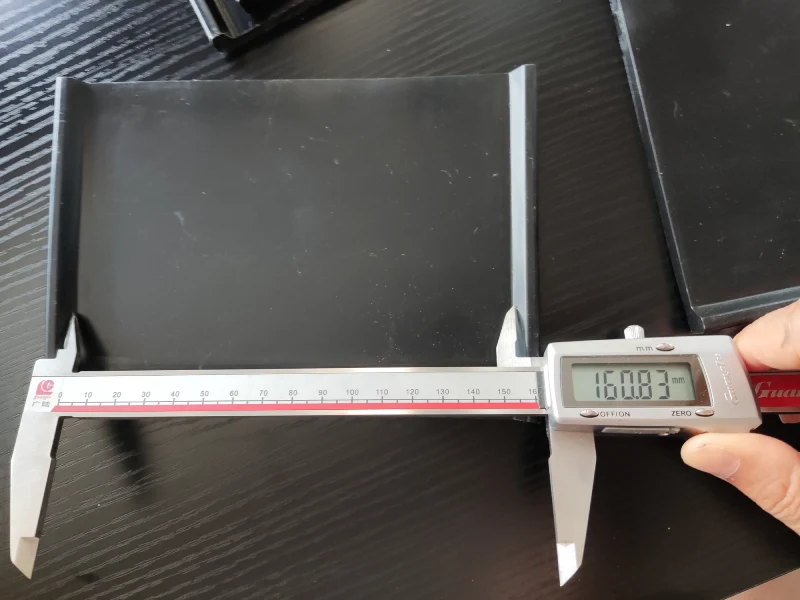
Comparative Table of Materials
| Material Type | SBR | NBR | EVA |
| Elasticity | Excellent | Moderate | Fair |
| Wear Resistance | High | Moderate | Low |
| Weather Resistance | Good | Excellent | Excellent |
| Shock Absorption | Excellent | Moderate | Fair |
| Oil Resistance | Low | Excellent | Poor |
| Weight | Relatively heavy | Relatively heavy | Lightweight |
| Cost | Moderate to low | High | Low |
Suggestions for selection
SBR (Styrene-Butadiene Rubber)
Advantages: High elasticity, excellent wear resistance, and cost-effectiveness.
Disadvantages: Limited resistance to oil and chemical corrosion.
Applications: Suitable for heavy-load railways or scenarios requiring significant impact absorption.
NBR (Nitrile Rubber)
Advantages: Superior resistance to oil and chemical corrosion, ideal for complex industrial environments.
Disadvantages: Higher cost and slightly less shock absorption compared to SBR.
Applications: Used in oil fields, chemical plants, or railway projects demanding resistance to oil and corrosion.
Ethylene Vinyl Acetate (EVA)
Advantages: Lightweight, affordable, and easy to process.
Disadvantages: Limited durability and elasticity.
Applications: Best for light-duty railway applications, such as urban rail systems or cost-sensitive projects.
Installation, Maintenance, and Replacement
Installation Tips
Before installation, ensure the track foundation is level and free of debris. Inspect the rubber pad and related components for any damage. During installation, place the pad correctly with the grooved side facing upwards. In welded tracks, remove or protect the pad during welding to avoid heat damage. Conduct a thorough quality check after installation.
Maintenance and Replacement
Routine Maintenance: Regularly clean the surface of the pad and inspect for visible defects or wear.
Damage Detection: Use a combination of manual inspection and specialized tools to identify internal defects.
Replacement: Replace pads that have reached the end of their service life or are severely damaged. Ensure proper safety precautions, remove old pads, clean the sleeper surface, and install new pads before performing a final inspection.
Rail rubber pads are indispensable components in modern railway systems, playing a vital role in enhancing safety, durability, and operational efficiency. As material technology advances, these pads continue to improve in performance, longevity, and environmental sustainability.
At GloryTrack, we specialize in providing high-quality MK7 rail rubber pads and offer professional installation guidance to meet diverse project requirements. Contact us for more information or a free consultation!