
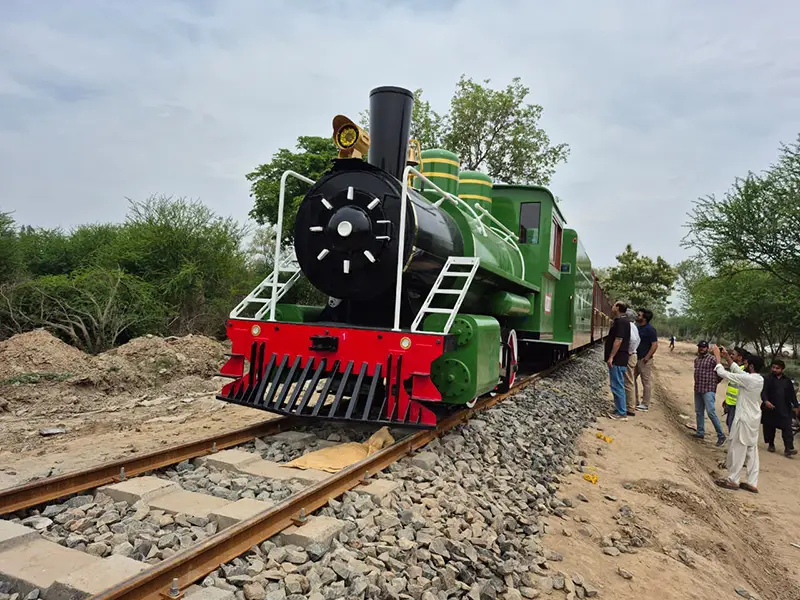
A Tourist Train Is Not a Freight Line
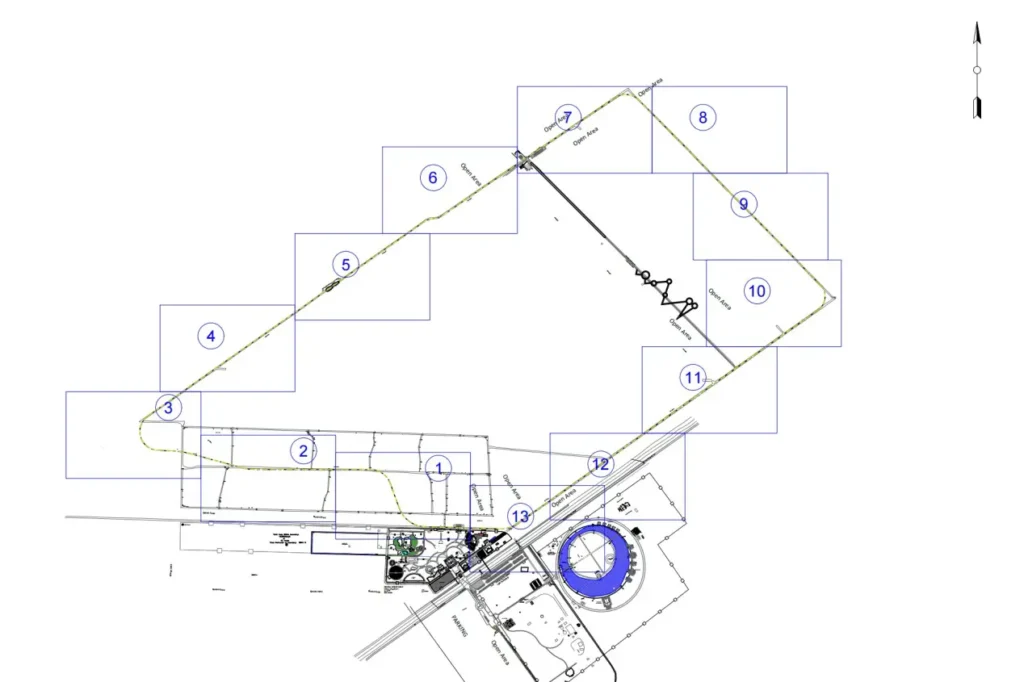
Changa Manga Forest Park, located in Punjab, Pakistan, is one of the country’s largest man-made forests and a well-known eco-tourism destination. To enhance visitor experience, the local government launched a master plan that included a tourist train line as a core component.
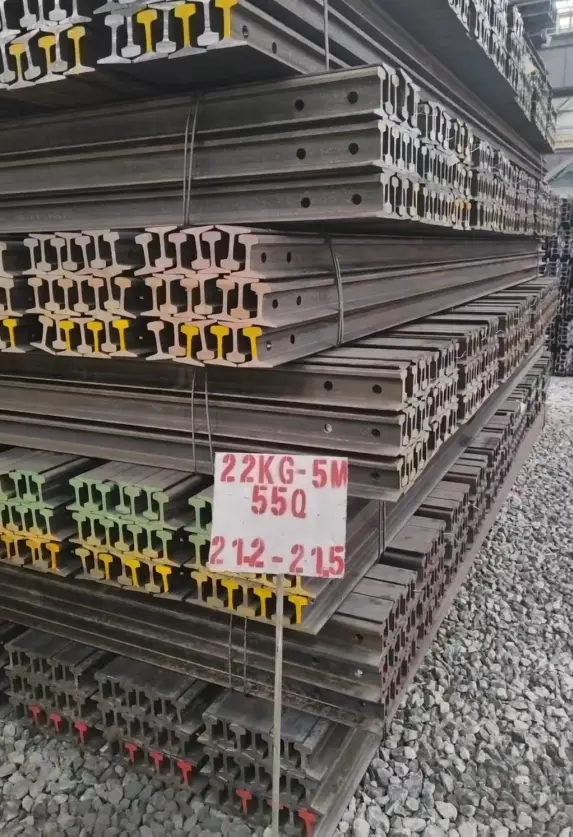
The design was led by engineering consultancy Shahzad Ayub Associates. The brief called for a 6.115 km narrow-gauge rail system using P22 light rail. Our scope was to supply the complete track package: steel rails, turnouts, and fishplates.
A tourist train is not a freight line. The passenger is not cargo. The train is light, so every track irregularity reaches the cabin. And on this project, the installation team was a local contractor, not a specialist railway crew. These two facts shaped every decision we made.
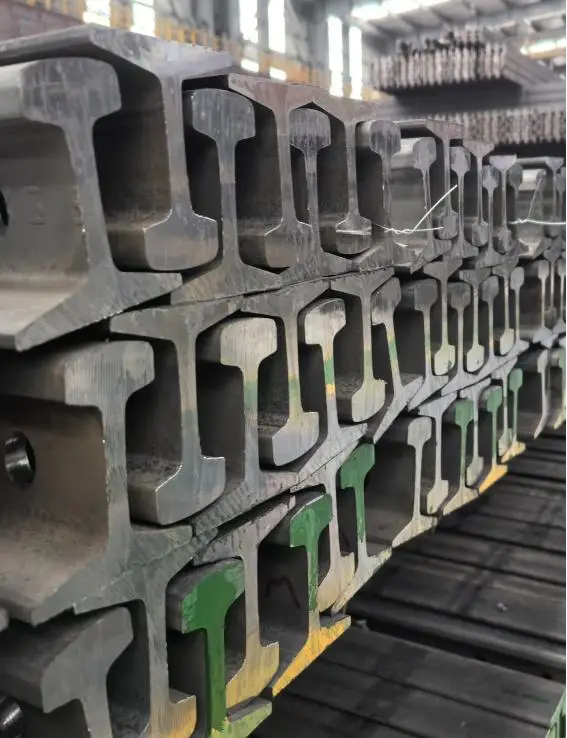
Steel Rails: Profile Accuracy for Passenger Comfort
The design consultant provided the P22 cross-section drawing. Before shipment, our engineers checked key dimensions on each batch against that drawing. Rail head width. Web thickness. Base width. Three measurements, checked with a caliper, compared to the profile on paper. If the numbers did not match, the rail did not ship.
The reason is simple. A heavy freight wagon can mask minor rail deviations with its own mass. A lightweight sightseeing coach cannot. Any variation in the rail head profile becomes a vibration the passenger feels. Over six kilometers, small inconsistencies add up.
Turnouts: Factory Pre-Assembled, Not a Site Puzzle
A turnout is the most complex component in any track system. Switch rails. A frog. Closure rails. Fastenings. All of these parts must work together within precise geometric relationships.
The turnouts for this project were installed on straight track sections near station areas and maintenance depots. The terrain was not the challenge. The challenge was the installation team. They were not railway specialists. If the turnouts arrived as a kit of loose parts, the on-site assembly and adjustment would take days, with no guarantee of precision.
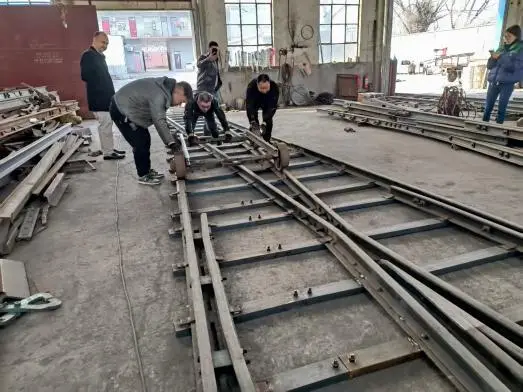
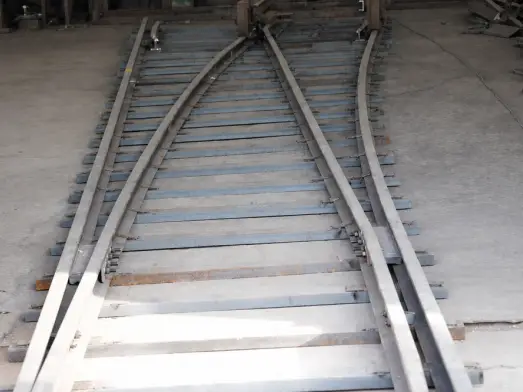
We pre-assembled each turnout in sections at the factory and completed geometric verification. Every dimension and fit was confirmed against the design requirements. The alignment layout provided by the design consultant specified the exact installation position and orientation of each turnout.
The turnouts were shipped as pre-assembled track panel sections. On site, the crew only needed to position each section according to the markings, splice them together, and fasten. The core geometry had already been calibrated at the factory. On-site adjustment work was minimal. Installation speed and quality were both ensured.
Fishplates: The Standard Part, Specified Correctly
Heavy freight can handle a rail joint with some play. The train is heavy enough to absorb the impact.
A tourist train is different. It is light. Every millimeter of misalignment at a rail joint becomes an audible click. Over six kilometers, that is thousands of interruptions between the passenger and the scenery.
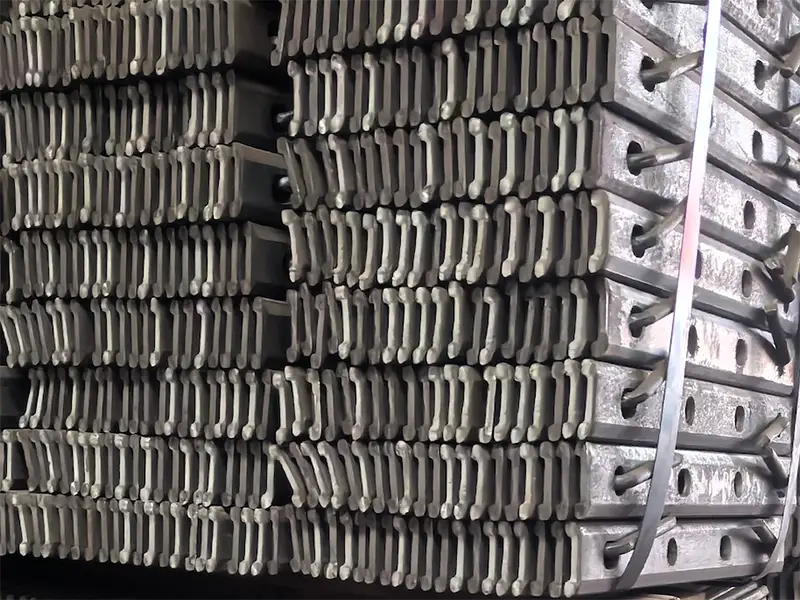
The fishplates we supplied were a standard type. The engineering value was not in a custom design. It was in specifying the correct fishplate for the P22 rail profile and ensuring vertical and lateral alignment at every joint during installation. The goal: two rails behaving like one continuous rail.
Logistics: Getting the Turnouts Into a Container
The real shipping challenge was not the bundled straight rail. It was the turnouts.
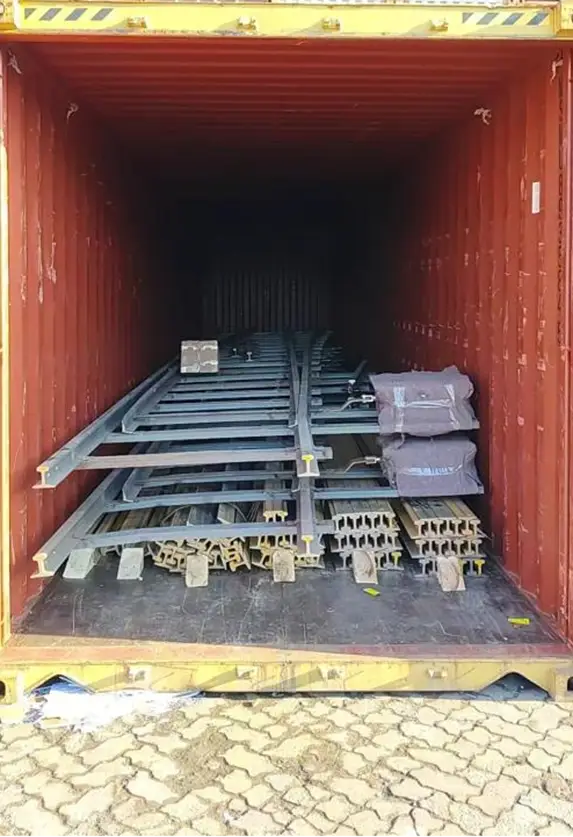
A pre-assembled turnout is an irregular shape. Switch rail tips extend. The frog creates an uneven profile. It does not slide neatly into a standard container. If loaded incorrectly, a loose component shifts during sea freight. Damage happens. And the discovery is made thousands of kilometers from the factory, with a project deadline approaching.
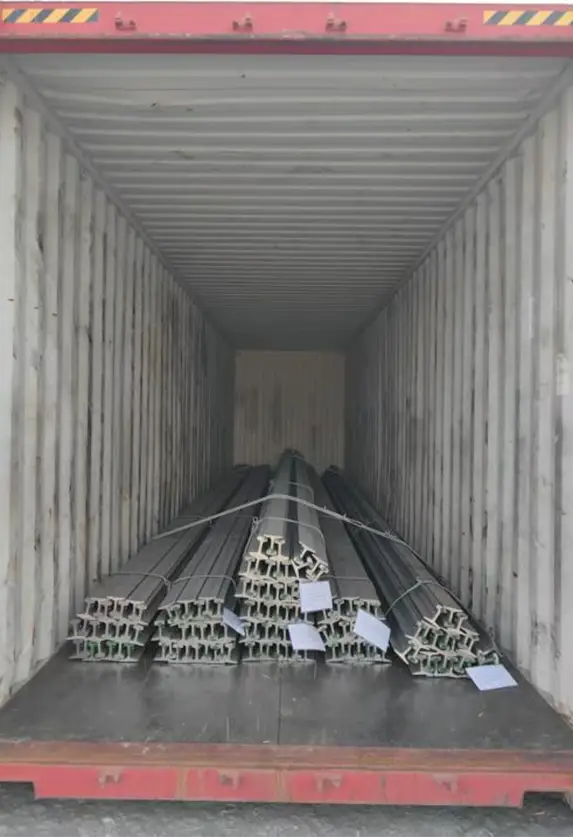
We built a container loading plan around the actual box dimensions. Each turnout module was braced and secured to prevent movement during transit.
The straight rail was bundled and packed separately. All shipments were clearly labeled with product type, quantity, and project reference.
Site Delivery
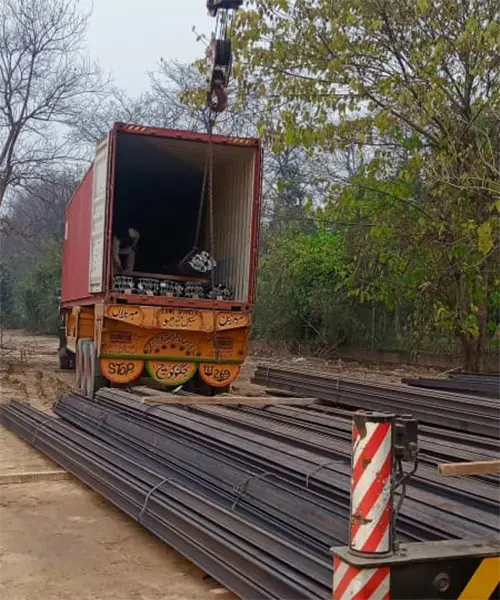
The shipment arrived at the designated port on schedule, with all components intact. Local workers unloaded the bundles and routed materials to the installation zone.
Project Delivery and Client Feedback
All steel rails, turnouts, and fishplates were delivered according to the construction schedule in December 2025. Beyond the materials, we provided engineering drawings and technical support throughout the process.
The design team at Shahzad Ayub Associates praised the precision, strength, and timely delivery of the track materials.
This project confirmed three capabilities we now apply to every park and resort rail system:
Ride-quality-first specification. Material decisions start from passenger comfort, not just structural minimums.
Turnout pre-assembly. Complex components leave the factory as complete, verified units. Site work is installation, not puzzle-solving.
Containerized shipping of irregular steel assemblies. It takes planning, not luck.
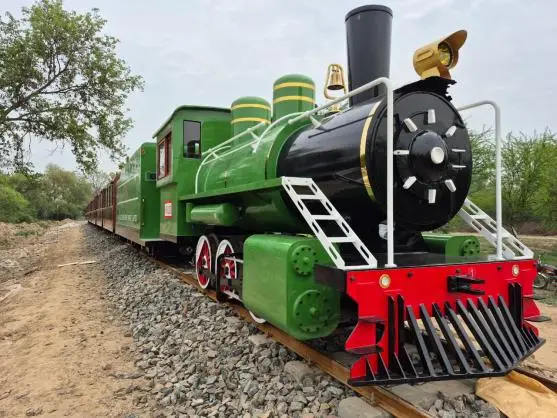
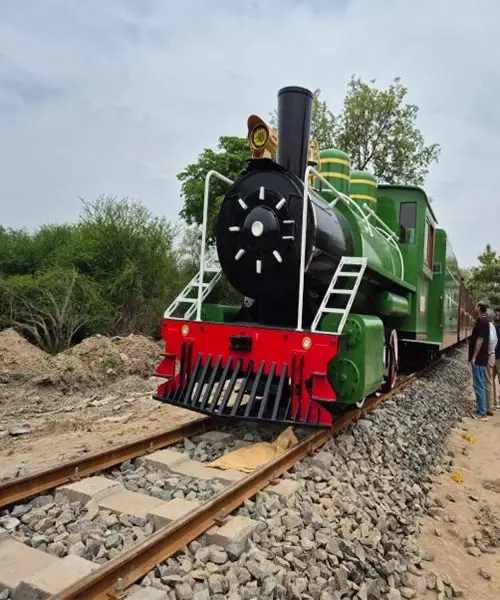
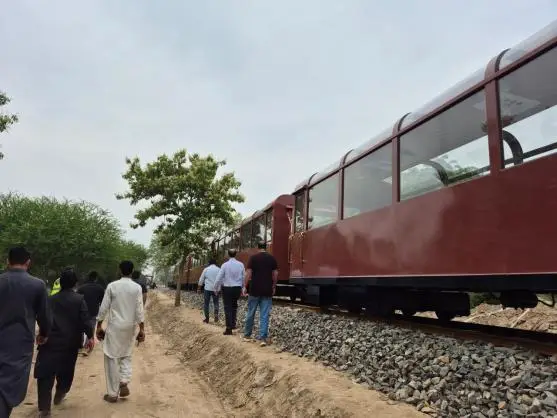
The real result is what you see in the image below.
Planning a park or resort rail system?
Send us your track alignment or rail profile requirements. Our engineers will review your specs and provide a preliminary material proposal.