
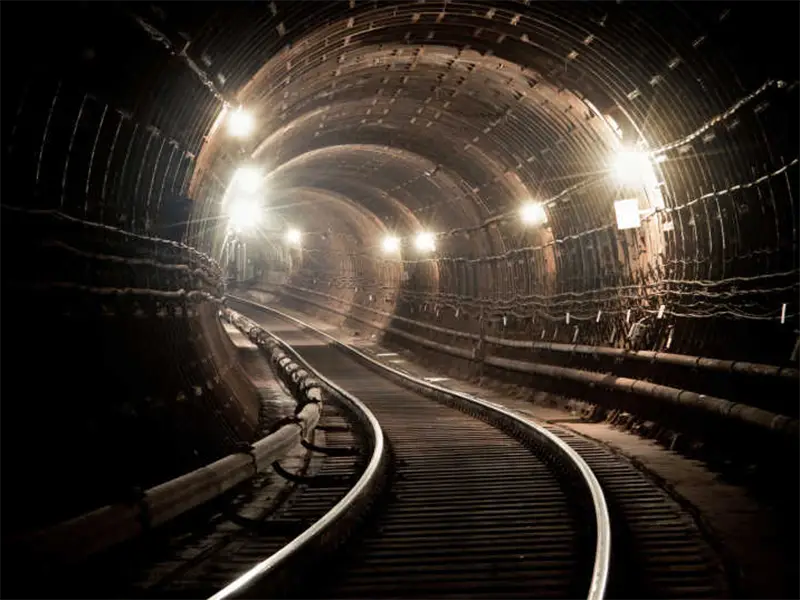
Mining is a foundation of modern manufacturing, and the way raw materials are transported directly affects efficiency, safety, and costs. Conveyor belts, trucks, and other continuous transport systems dominate modern mining. However, rail transport continues to play a crucial role in both underground and open-pit operations.
In underground mines, rails are essential for transporting ore, equipment, and workers, while in open-pit mines, they are mainly used for hauling ore. Conveyor systems and mechanized hauling have advanced. Despite these developments, rail transportation remains indispensable thanks to its flexibility, adaptability, and long-term cost efficiency.
Flexibility and Adaptability of Mining Rail Transport
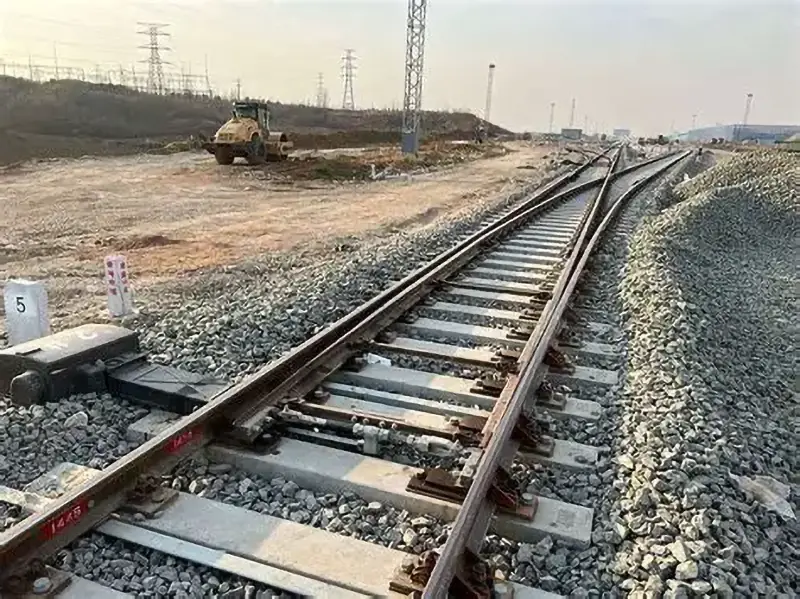
One of the biggest strengths of railway rail systems in mining is their ability to adapt to different geological and operational conditions.
Underground mines: Space is often cramped, slopes vary, and geological conditions can be unpredictable. Rail transport systems can be flexibly laid out, handle sharp curves, and function on both horizontal and inclined roadways. Even in steep coal seams or fault zones, segmented track layouts with winches ensure efficient transport, something conveyor belts often cannot achieve.
Open-pit mines: Unlike trucks, rail systems are less affected by weather. Heavy rain, snow, or muddy roads may stop truck fleets, but rail cars can continue running smoothly on railway rails, ensuring uninterrupted production and transportation.
The modular track system also allows easy expansion, segmented operation, and efficient loading/unloading, making rail transport especially valuable for deep-shaft mines.
Economic Advantages of Rail Transportation in Mining
While the initial investment in crane rails and track systems is relatively high, the long-term benefits outweigh the costs.
Low operating cost: Tracks and rails can last decades with proper maintenance, while conveyor belts require frequent investment in belts and drive systems.
Easy maintenance: Rail systems focus mainly on track alignment and joint tightness, while conveyor system failures often halt the entire line. Rail can still operate partially even if one section needs repair.
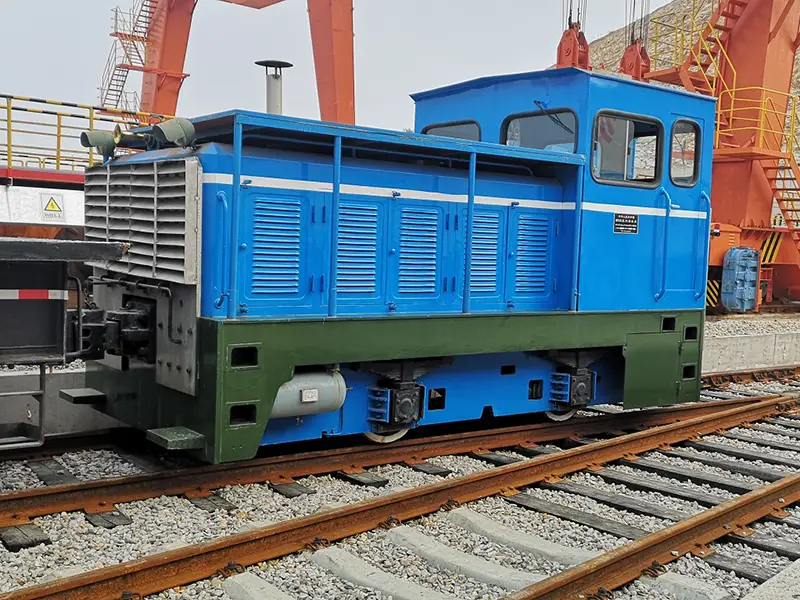
Controlled energy use: Electric locomotives or winches consume energy in proportion to transport volume. This avoids excessive energy waste during low production periods.
For short-to-medium distances (1–5 km), mining rail transport often proves more economical than trucks or conveyors.
Safety Challenges and Solutions
Despite its advantages, rail transport in mining comes with safety risks. Common accidents include derailments, broken wire ropes, and operational errors during loading or coupling.
Track issues: Poorly laid tracks, wide rail gaps, or gauge deviations can easily cause derailments.
Loading problems: Overloaded or unbalanced cars shift their center of gravity, increasing derailment risks on curves or slopes.
Human factors: Speeding, sudden braking, exceeding trailer limits, or signal miscommunication account for over 30% of accidents.
Industry Best Practices
Standardized track construction: Following strict safety regulations for railway rails and joints.
Training and management: Regular training for operators and signal staff, plus improved safety procedures.
Smart monitoring: Using visual recognition, vibration sensors, and IoT technologies to detect track or vehicle issues before accidents occur.
The Rise of Intelligent Mining Rail Transport
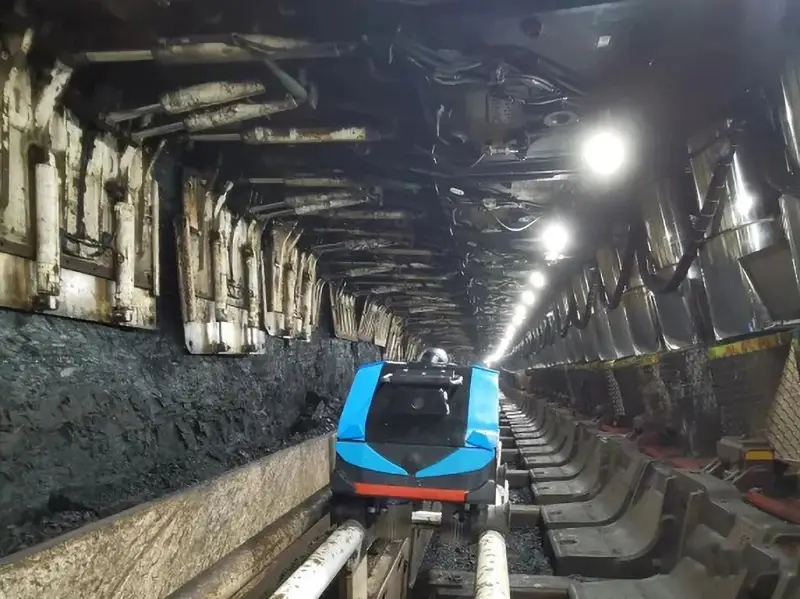
Modern technology is transforming traditional mine transport. Autonomous mine cars, inspired by self-driving vehicles, are now being tested. With sensors, control systems, and wireless communication, these systems can move ore automatically along crane rails or railway tracks, cutting labor costs and increasing efficiency.
Through IoT monitoring, operators can track equipment in real time, detect failures instantly, and optimize transport scheduling. Big data analysis of haulage routes and load efficiency further improves productivity and safety.
Sustainability and the Future of Rail Transport in Mining
As environmental regulations tighten, mining enterprises are shifting toward eco-friendly transport solutions. Electric locomotives, energy-efficient railway rail systems, and better waste recycling practices are being implemented to cut carbon emissions and reduce environmental impact.
Government policies supporting sustainable mining also encourage modernization and upgrading of mining rail transport systems.
While challenges such as aging infrastructure and safety risks remain, the trend is clear: mining rail transport is evolving toward being smarter, greener, and safer.
Conclusion
Despite the rise of conveyor belts and truck fleets, mining rail transport remains a backbone of the global mining industry. Its flexibility, cost-effectiveness, and reliability in both underground and open-pit operations ensure it will not be replaced anytime soon.
With the addition of automation, IoT, and sustainable technologies, railway rail systems and crane rails will continue to support mining enterprises in improving efficiency, safety, and environmental performance.
At GloryTrack, we are committed to providing high-quality rail systems that meet the needs of modern mines—helping our partners achieve safer, more efficient, and sustainable transport solutions.