
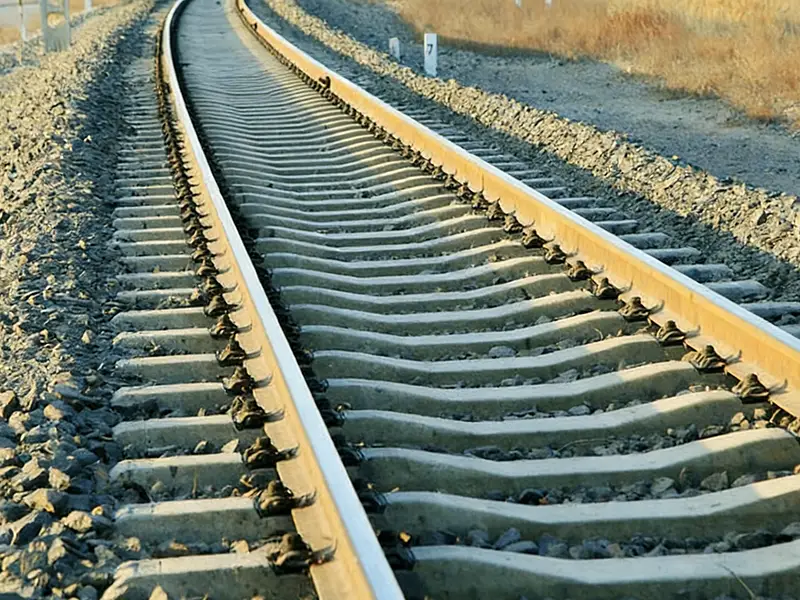
When people picture a railway track, they often see simple steel lines stretching across the landscape. In reality, a modern railway track is a sophisticated structural system. It guides train wheels, carries massive loads, and safely transfers complex forces into sleepers, ballast, and the underlying foundation.
Train wheels constantly contact the rail head during operation. The railway track guides wheelsets along a fixed path while absorbing vertical loads, lateral forces, and dynamic impacts. This system spreads forces efficiently to the sleepers and track structure below, minimizing wear and damage across the entire line.
Rail Weight Drives Performance and Value
Rail weight directly impacts railway track performance and maintenance costs. Engineers specify rails by weight per meter (kg/m), and heavier rails deliver superior results on high-load routes. Increased rail mass improves stability, supports higher axle loads, and slashes long-term maintenance.
Operational data proves this: replacing 50 kg/m rails with 65 kg/m rails increases steel use by ~30%, but boosts total tonnage capacity by up to 80%. Crucially, maintenance needs drop over 70%. Even small weight gains matter—each additional kilogram per meter reduces maintenance intensity and extends service life.
That’s why heavy-haul railways globally choose rails of 60 kg/m or more. Most U.S. Class I railroads install rails exceeding 68 kg/m, with key routes using 71 kg/m sections. Australia and Russia similarly depend on 65–75 kg/m rails to manage heavy axle loads and growing traffic.
Steel Composition Defines Durability
Rail steel chemistry determines railway track longevity. Beyond iron, critical elements include carbon (capped at ~0.82% for hardness without sacrificing toughness), manganese, silicon, and nickel. Heavy-haul applications demand alloyed steels—not basic carbon grades. Higher manganese levels boost strength and impact resistance. Silicon and nickel enhance fatigue performance and corrosion resistance, helping rails endure relentless wheel contact under extreme loads.
Modern production prioritizes steel cleanliness. Advanced refining slashes sulfur and phosphorus content, minimizing internal defects that cause cracks. Cleaner steel dramatically slows fatigue damage, extends rail life, and cuts corrective maintenance.
Profile Design and Smart Lifecycle Management
Rail head geometry critically shapes wheel–rail interaction. Optimized profiles distribute contact forces evenly, preventing stress concentrations that accelerate wear and rolling contact fatigue.
Railway track lifecycle strategy extends value beyond initial installation. Rails retired from heavy-haul lines often retain sufficient strength for lighter routes. Operators recondition and relocate these rails to secondary lines, maximizing material utility and reducing system-wide costs.
Building Reliable Railway Track Systems
A dependable railway track balances engineering choices: rail weight, steel chemistry, head profile, and lifecycle planning. As axle loads and traffic volumes rise globally, optimized rail design remains essential for safety, longevity, and sustainable infrastructure. Smart investments here keep heavy-haul railways moving efficiently for decades.