
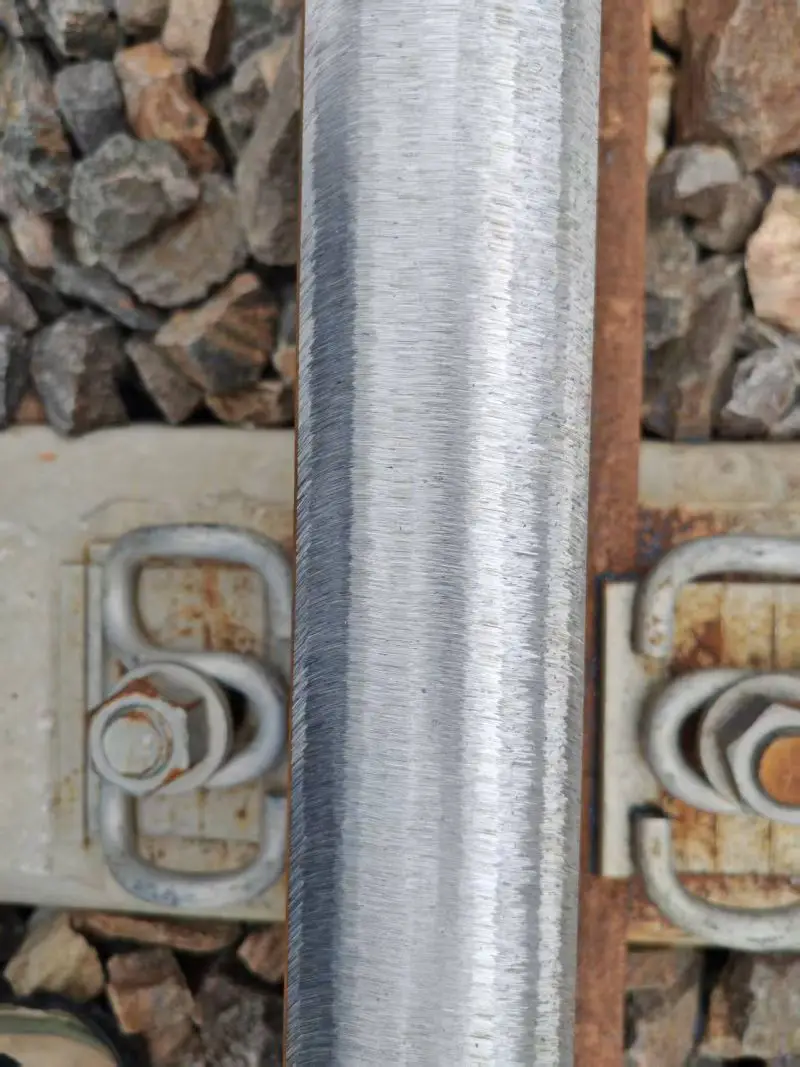
Rail Grinding: Principles, Types, Construction Standards, and Core Value in Track Maintenance
Rail grinding removes surface defects, restores rail profiles, reduces wear and noise, and extends railway track service life safely.
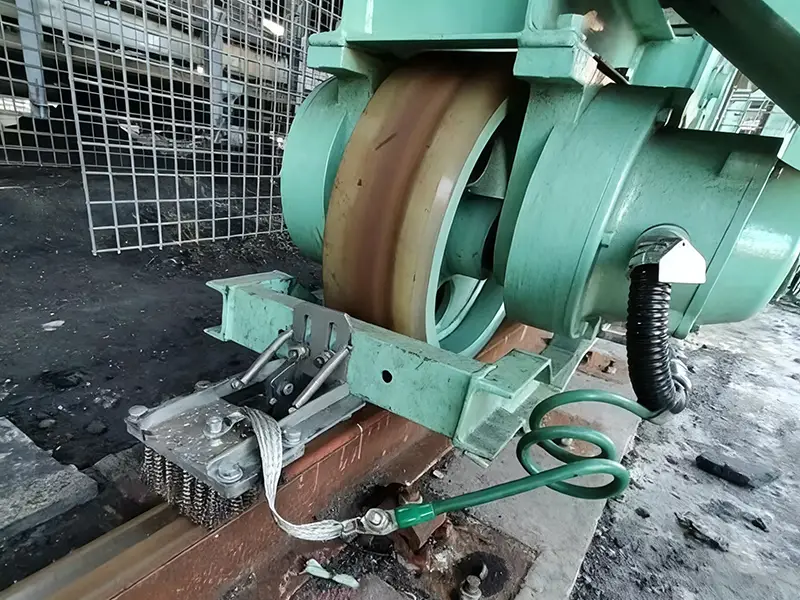
Application Case | Crane Rail Cleaning System for Slippery and Contaminated Rails
Crane rail cleaning system for dust, moisture and debris. Improve wheel traction and prevent slipping in heavy-duty crane operations.
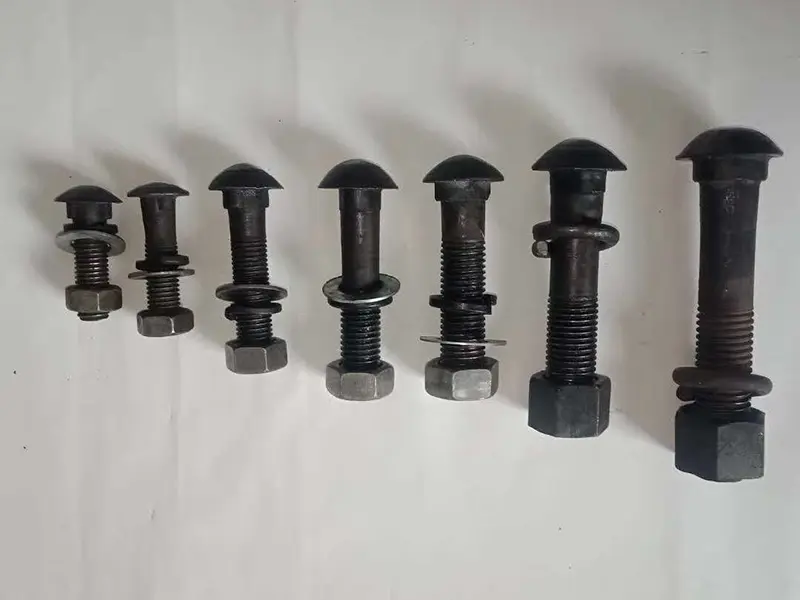
Fish Bolts vs Hex Bolts: Why Oval Neck Design Matters in Rail Joints
Explains fish bolts vs hex bolts and why fishplate bolts are essential for stable rail joint connections.
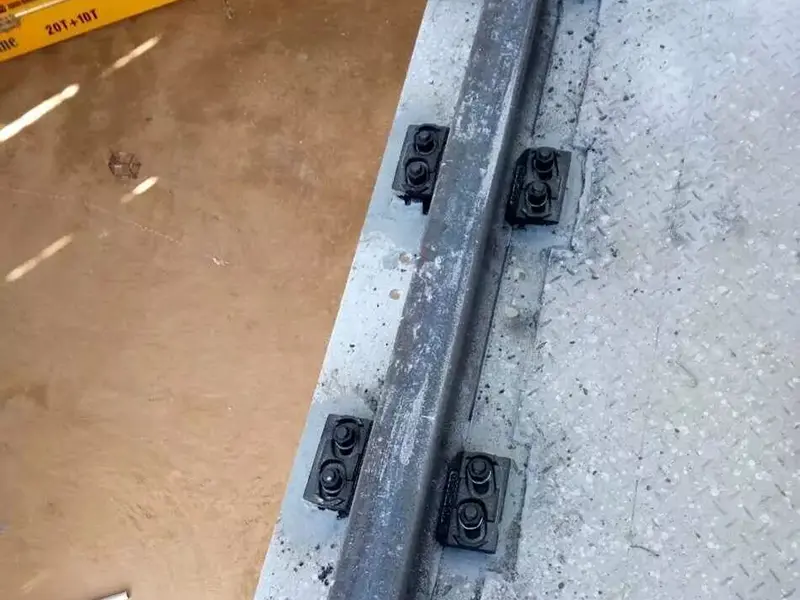
Crane Rail Load Analysis: Understanding Multi-Directional Forces in Modern Crane Rail Systems
Crane rail load analysis explains how vertical, longitudinal and lateral forces act on rail systems. It helps improve rail stability and reduce fastening failure in heavy-duty crane applications.
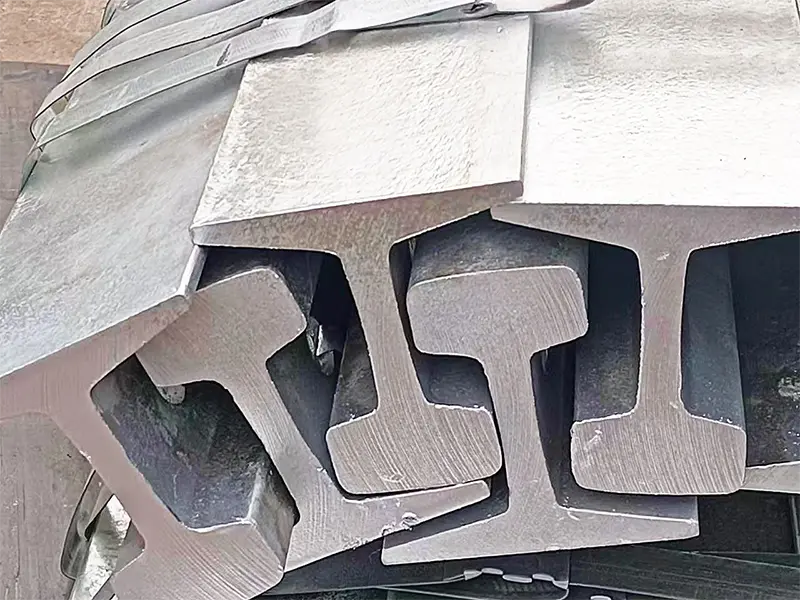
Is Galvanized Rail a Good Choice for Corrosion Protection?
Galvanized rail offers strong corrosion resistance, but it is not always the right choice. Learn its pros, risks, and where it should be used.
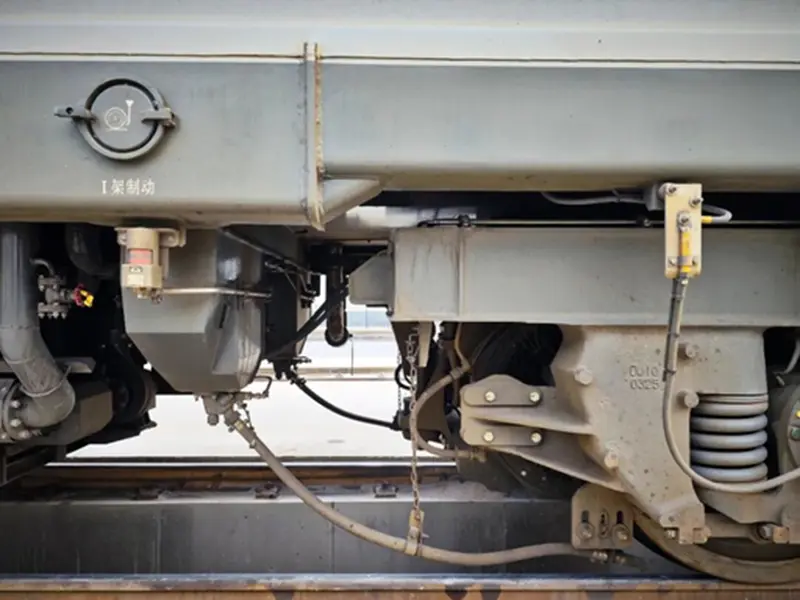
Train Sanding System: Why Do Trains Use Sand on Tracks?
Explains how train sanding systems improve traction, prevent wheel slip, enhance braking safety, and protect rail and wheel components.